Risks of Skipping Background Verification in India
Hidden Risks Behind Every Hire
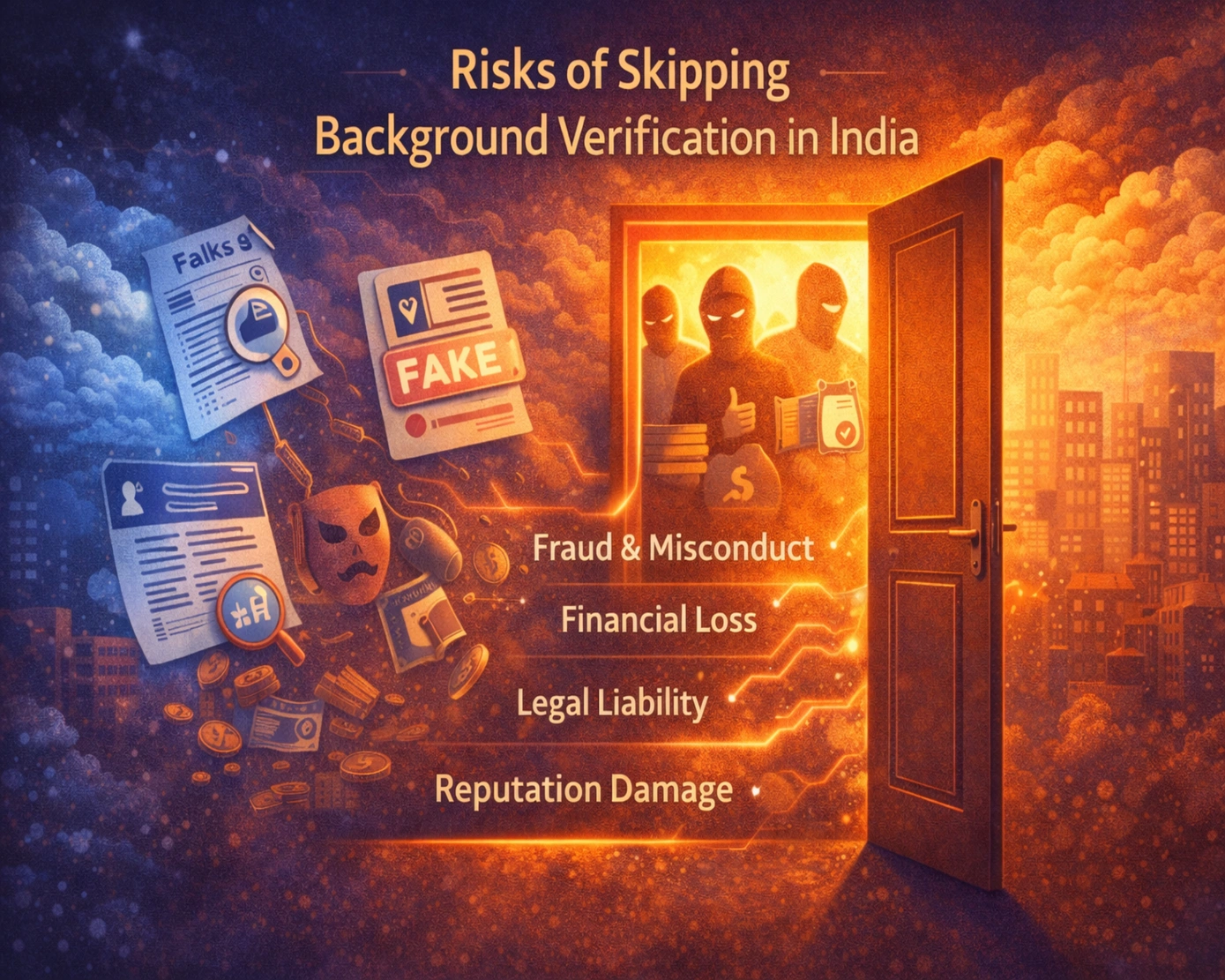
Hiring without proper verification may seem like a shortcut, but it carries significant consequences. In India, resume fraud, falsified educational qualifications, undisclosed employment histories, and criminal records are not uncommon. Without a structured background verification process, companies expose themselves to operational, financial, and reputational risks that can affect growth and sustainability.
Even a single wrong hire can disrupt workflows, cause client dissatisfaction, or lead to regulatory penalties. For organizations handling sensitive data, finances, or critical operations, skipping verification is effectively leaving the door open to avoidable crises.
Financial and Operational Implications
Employees with falsified experience or credentials may underperform, make poor business decisions, or mishandle sensitive information. This can lead to financial losses, delayed projects, or compliance breaches. Additionally, resolving such issues after onboarding consumes time, management focus, and resources — costs that far exceed the investment in professional background verification upfront.
Legal and Compliance Exposure
India’s evolving regulatory landscape holds companies accountable for their employees’ conduct. Non-compliance, workplace misconduct, or hiring individuals with criminal history can attract legal consequences. Without verification, organizations have no documented evidence to demonstrate due diligence, increasing liability and risk in legal or audit situations.
Damage to Reputation and Trust
Reputation is one of the hardest assets to rebuild. A publicized hiring mistake, fraud incident, or security breach can damage trust with clients, investors, and employees. Organizations that prioritize verification send a strong signal: they value integrity, accountability, and safe business practices.
Strategic Importance for HR and Leadership
For HR leaders, recruiters, and founders, background verification is not an administrative formality — it is a strategic safeguard. It allows organizations to hire confidently, reduce risk, and maintain operational continuity. Skipping verification may save time in the short term, but the long-term implications can be far more damaging.
Final Thought
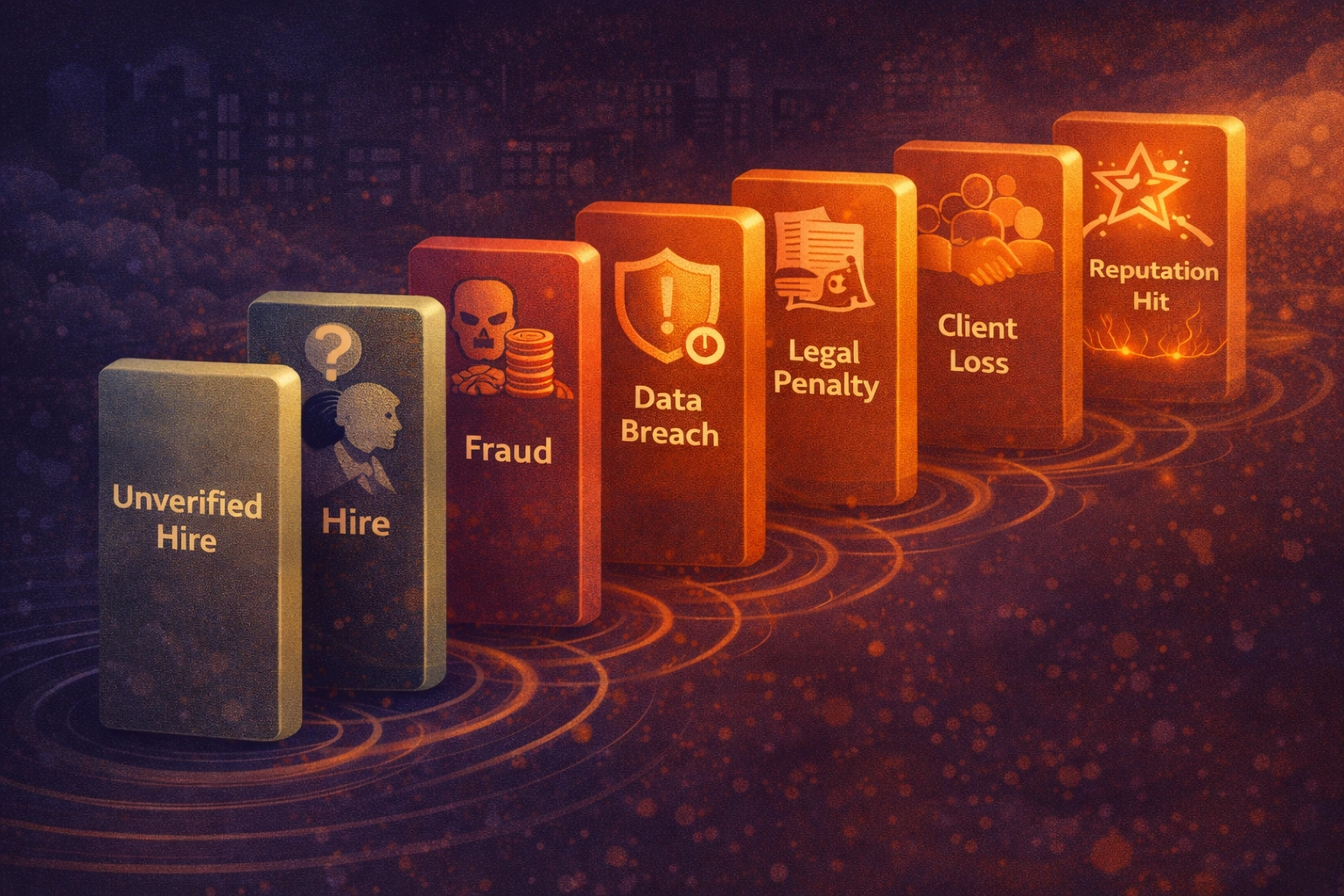
Background verification protects companies from hidden threats that can compromise safety, compliance, and reputation. Organizations that implement structured verification processes minimize risk, improve decision-making, and strengthen trust internally and externally. For Indian companies aiming to grow sustainably, verification is an essential, non-negotiable step in hiring
Leave a comments