Case Studies: How Background Verification Prevented Costly Hiring Mistakes
Why Case Studies Matter in Hiring Decisions
Background verification often feels invisible when it works well. The risks it prevents rarely make headlines inside an organization because problems are stopped before they occur. This is why real-world case studies are important. They help HR leaders, recruiters, and founders understand the tangible value of verification beyond theory and policy.
The following scenarios are drawn from common hiring situations across Indian companies. While details are anonymized, the risks and outcomes reflect real challenges organizations face when verification is skipped or handled too late.
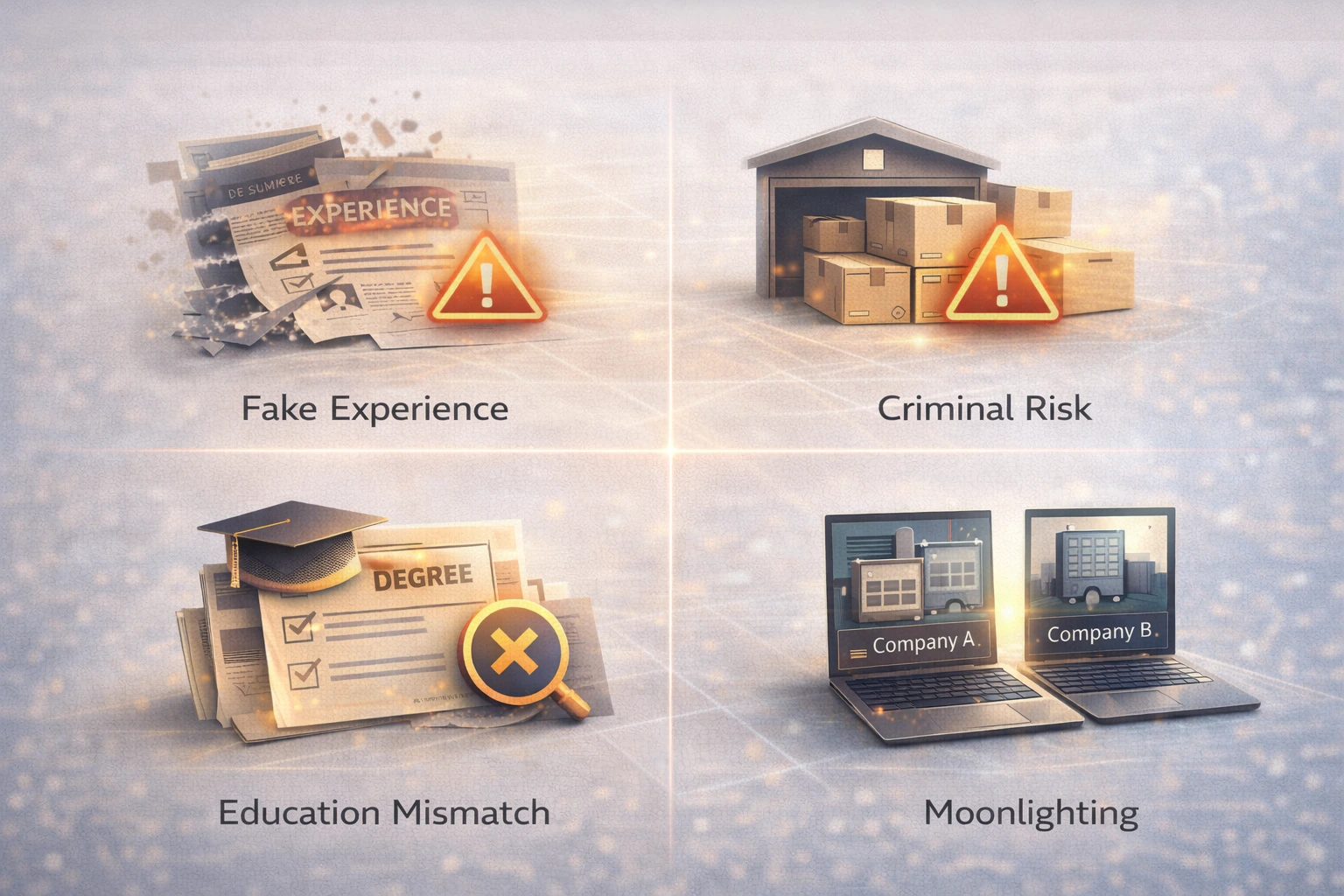
Case Study 1: Fake Experience in a Mid-Level IT Hire
A growing IT services company hired a mid-level developer for a client-facing role. The candidate presented a strong resume with experience at well-known firms and cleared technical interviews confidently. To avoid onboarding delays, the company initiated background verification after joining.
Employment verification revealed that two of the claimed roles never existed. One experience letter belonged to a shell company, and another employer denied any record of the candidate. The verification report reached HR before system access was granted.
The company withdrew the appointment during the probation period, preventing potential client escalations, delivery failures, and reputational damage. Had the candidate been onboarded fully, the cost of remediation and client trust loss would have been significantly higher.
Case Study 2: Undisclosed Criminal Record in a Logistics Role
A logistics and supply chain company was hiring for a warehouse operations role involving asset handling and supervision. The candidate had prior experience and strong references from informal sources.
Criminal background verification identified an undisclosed theft-related case from a previous employer location. While the case was not mentioned during interviews, the nature of the role made this a serious risk.
The company decided not to proceed with the hire, protecting inventory, internal controls, and workplace safety. This case highlighted how criminal verification plays a critical role in roles involving physical assets and trust-based responsibilities.
Case Study 3: Education Mismatch in a Healthcare Appointment
A healthcare organization hired a clinical coordinator responsible for managing patient records and compliance documentation. The candidate submitted degree certificates and professional credentials that appeared legitimate.
Education verification revealed that the issuing institution was not recognized, and the certification was incomplete. This discrepancy could have exposed the organization to regulatory violations and patient safety risks.
By identifying the issue early, the organization avoided compliance penalties and safeguarded its accreditation status. The role was re-opened, and verification standards were tightened for future healthcare hires.
Case Study 4: Moonlighting Risk in a Remote Tech Team
A SaaS company with a fully remote workforce hired a senior engineer for a critical internal platform. While interviews went well, background verification included a moonlighting check due to the role’s access to proprietary systems.
Verification findings indicated ongoing parallel employment with a competing firm. This posed serious risks related to data security, intellectual property, and conflict of interest.
The company paused onboarding and re-evaluated its hiring decision. This case reinforced the importance of role-based verification in remote and hybrid work environments.
What These Cases Reveal
Across industries, the pattern is consistent. Most hiring mistakes are not obvious at the interview stage. Resumes, confidence, and references can mask serious issues that only structured background verification uncovers.
In each case, verification acted as a preventive control — protecting business operations, compliance posture, and leadership credibility.
The Cost of What Didn’t Happen
What these companies avoided is just as important as what they discovered:
-
Client escalations
-
Regulatory penalties
-
Data breaches
-
Workplace incidents
-
Reputational damage
The financial and operational impact of these avoided outcomes far exceeds the cost of professional background verification.
Final Thought
Background verification does not exist to reject candidates — it exists to protect organizations. Case studies like these demonstrate that verification is not an administrative step, but a strategic safeguard. Companies that invest in structured, role-aligned background verification make fewer costly mistakes and build teams they can trust
Leave a comments