How Background Verification Helps Prevent Insider Threats
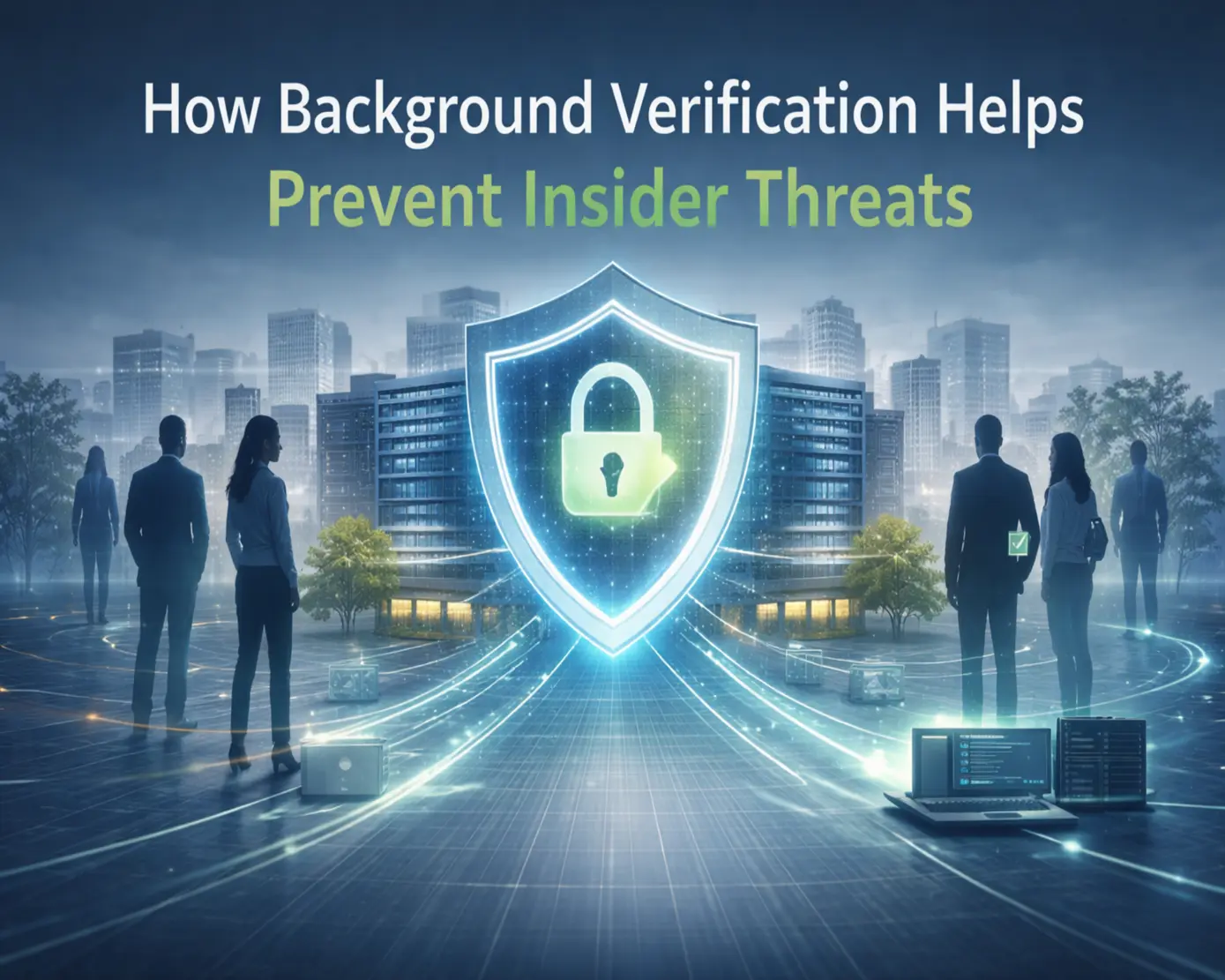
Understanding Insider Threats in Modern Organizations
Insider threats are often misunderstood. They are not limited to intentional misconduct or malicious behavior. In many cases, insider risks arise from poor hiring decisions, misrepresented credentials, undisclosed conflicts of interest, or individuals placed in roles they are not qualified or trustworthy enough to handle.
As organizations digitize operations and grant employees broader system access, the impact of insider threats has increased. Background verification plays a critical role in reducing this risk before it enters the organization.
Hiring as the First Line of Defense
Most insider threats originate at the hiring stage. When identity, employment history, or legal records are not properly verified, organizations unknowingly grant access to individuals with unknown risk profiles.
Background verification establishes a baseline of trust. It ensures that individuals entering the organization are who they claim to be, have the experience they state, and do not carry undisclosed red flags that could later escalate into insider incidents.
Preventing Access-Based Risk
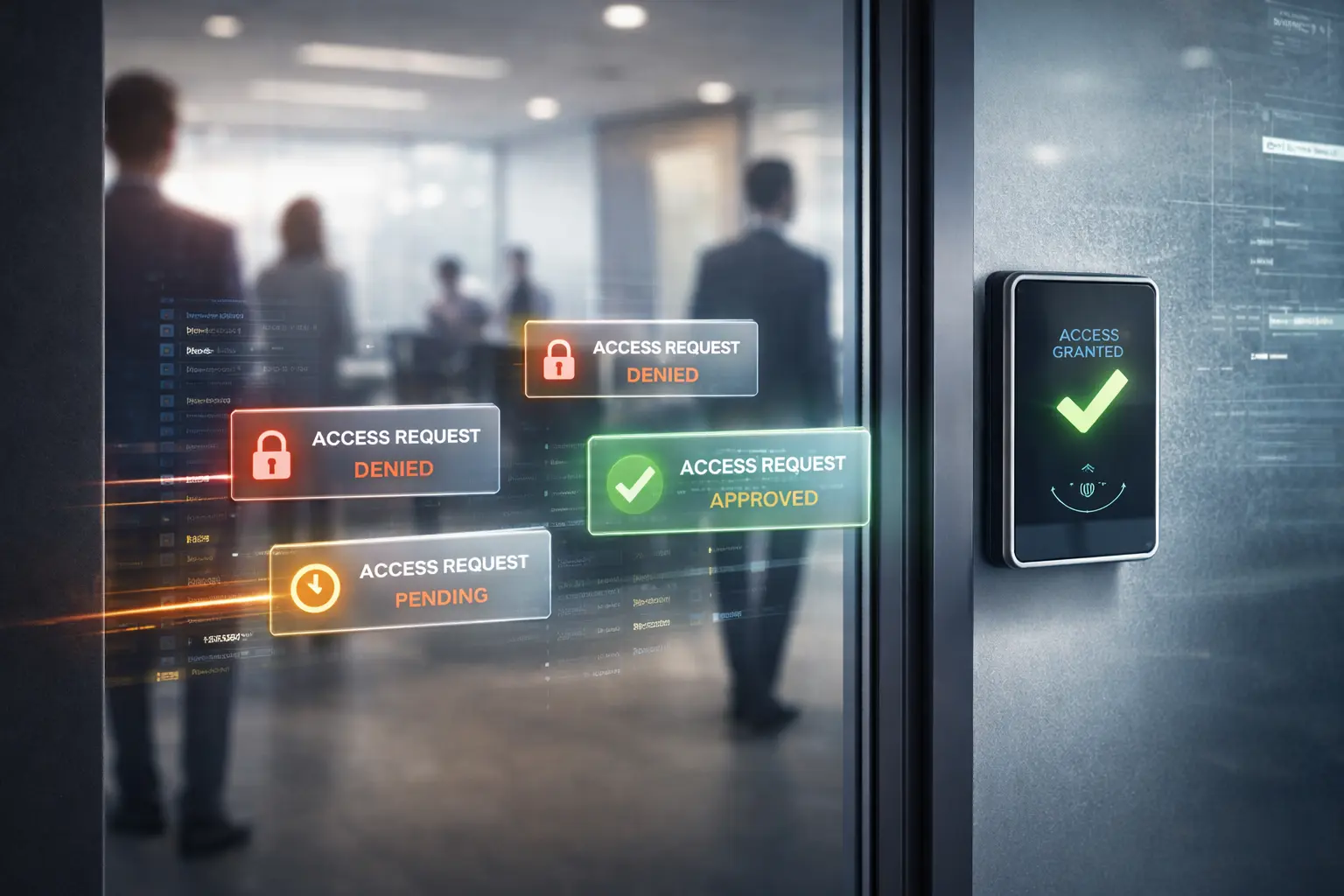
Insider threats often emerge when employees gain access to sensitive systems, data, or financial controls. Verification helps leadership make informed access decisions by aligning role sensitivity with candidate credibility.
For roles involving data security, financial authority, or proprietary information, employment verification, criminal checks, and reference insights significantly reduce exposure to misuse or negligence.
Detecting Conflicts and Behavioral Risk Early
Undisclosed moonlighting, parallel employment, or past behavioral issues are common sources of insider risk. Background verification helps surface these concerns early, allowing organizations to address conflicts before they impact operations.
Reference checks and role-based screening provide context that interviews alone often miss, especially for senior or remote roles.
Supporting Long-Term Insider Risk Management
While background verification is conducted at hiring, its impact extends long-term. Verified employees are more likely to align with organizational expectations, reducing the probability of policy violations or misconduct.
Organizations that maintain structured verification also have stronger documentation and defensibility if insider incidents occur despite controls.
Strengthening Trust Without Creating Fear
Effective insider threat prevention is about trust, not suspicion. Background verification supports this balance by ensuring that hiring standards are consistent and transparent.
Employees feel more secure knowing that access and responsibility are granted responsibly — reinforcing trust across teams rather than creating a culture of doubt.
Final Thought
Insider threats are best addressed before they enter the organization. Background verification provides a proactive safeguard that strengthens hiring integrity, access control, and workforce trust.
Companies that embed verification into their risk strategy reduce insider exposure while building safer, more resilient organizations
Leave a comments