How Background Verification Reduces Employee Attrition and Hiring Rework
Early Attrition Often Starts With Poor Hiring Decisions
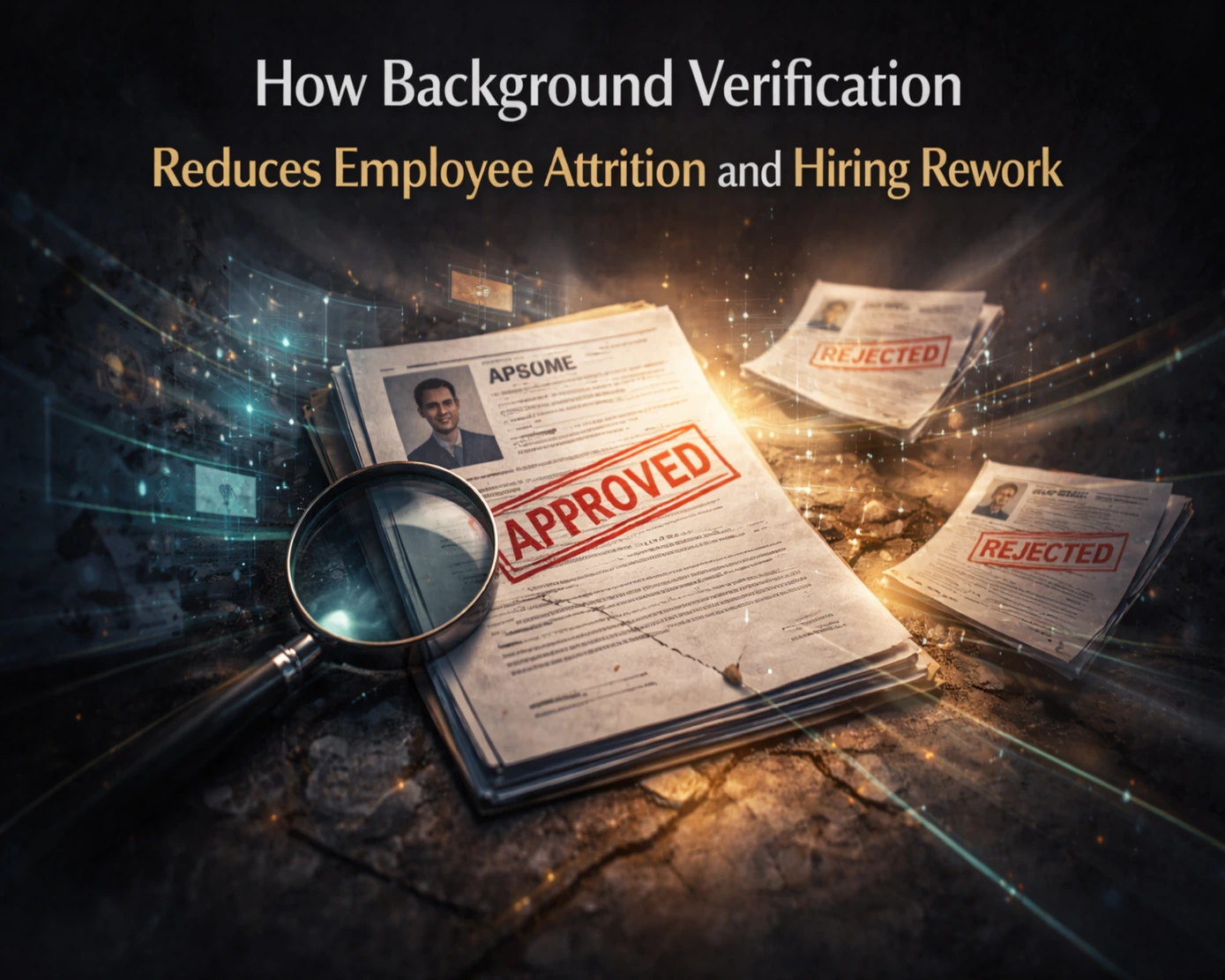
High employee attrition is rarely caused by a single factor. In many cases, it begins with hiring decisions made on incomplete or incorrect information. When candidates misrepresent experience, qualifications, or work history, the mismatch surfaces soon after joining — through poor performance, disengagement, or behavioral issues.
Background verification reduces this risk by validating critical details before or shortly after onboarding. When employees join with verified credentials and realistic expectations, the likelihood of early exits decreases significantly.
Preventing Mismatch Between Role and Capability
One of the leading causes of rehiring is capability mismatch. Candidates may clear interviews but lack the depth of experience claimed on their resumes. This creates pressure on managers, affects team productivity, and often results in replacement hiring within months.
Employment and education verification ensure that role expectations align with real experience. This allows HR and hiring managers to make more accurate decisions, reducing performance-related exits and repeat recruitment cycles.
Reducing Cultural and Behavioral Misalignment
Attrition is not always about skills. Behavioral issues, integrity concerns, and work ethic mismatches often lead to early separation. Reference checks and background insights help surface patterns that interviews alone may not reveal.
By identifying these concerns early, background verification supports better cultural fit — which directly influences retention and team stability.
Minimizing Costly Hiring Rework
Every rehiring cycle carries hidden costs: recruitment fees, onboarding time, training investment, productivity loss, and management effort. These costs accumulate quickly, especially in high-volume hiring environments.
Background verification reduces rework by preventing avoidable hiring failures. Even a small improvement in retention rates can result in significant cost savings over time.
Supporting Manager Confidence and Accountability
Managers are more confident when they know team members have been properly vetted. This confidence improves delegation, performance management, and long-term planning.
When verification is part of the hiring framework, accountability is shared across HR and leadership, reducing reactive decision-making and internal friction caused by repeated hiring failures.
Building Long-Term Workforce Stability
Stable teams perform better, collaborate more effectively, and require less corrective intervention. Background verification contributes to this stability by ensuring that employees joining the organization meet defined standards of credibility and reliability.
Over time, this creates a stronger workforce foundation, lower attrition rates, and improved organizational resilience.
Final Thought
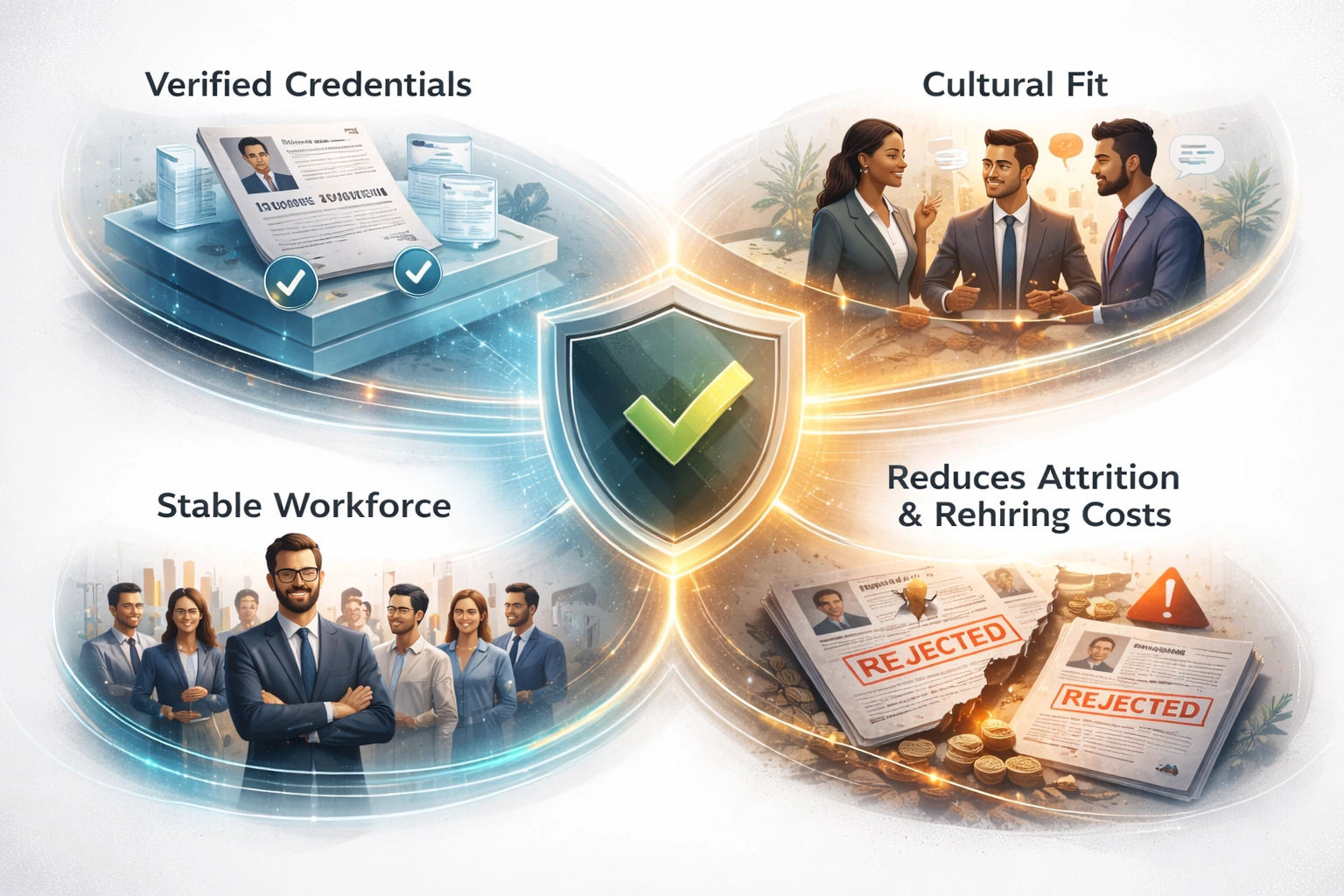
Employee attrition and hiring rework are expensive problems — but many are preventable. Background verification addresses root causes early by improving hiring accuracy, alignment, and trust. Organizations that invest in verification do not just hire faster — they hire better, retain longer, and build teams that last
Leave a comments