How Background Verification Supports Regulatory Compliance in India
Compliance as a Strategic Necessity
In India, regulatory compliance is a critical aspect of business operations across industries such as BFSI, IT, healthcare, and logistics. Hiring the wrong candidate or failing to verify credentials can result in legal penalties, audits, or operational disruptions. Background verification is not just a preventive measure; it is a strategic tool that ensures organizations adhere to statutory requirements while protecting their workforce and operations.
For HR leaders and founders, aligning hiring processes with regulatory standards demonstrates accountability and reduces exposure to legal risks.
Key Regulatory Requirements
Several Indian laws and regulations make compliance a core concern during hiring:
-
Digital Personal Data Protection (DPDP) Act: Governs the collection, storage, and processing of candidate data, ensuring privacy and legal handling of sensitive information.
-
Industry-Specific Regulations: Sectors such as finance, healthcare, and IT have specific licensing, certification, and verification requirements for employees.
-
Employment and Labor Laws: Verifying age, qualifications, and work history ensures compliance with labor regulations and prevents legal disputes.
Background verification aligns with these requirements by providing documented, auditable evidence of due diligence.
Reducing Risk Through Verification
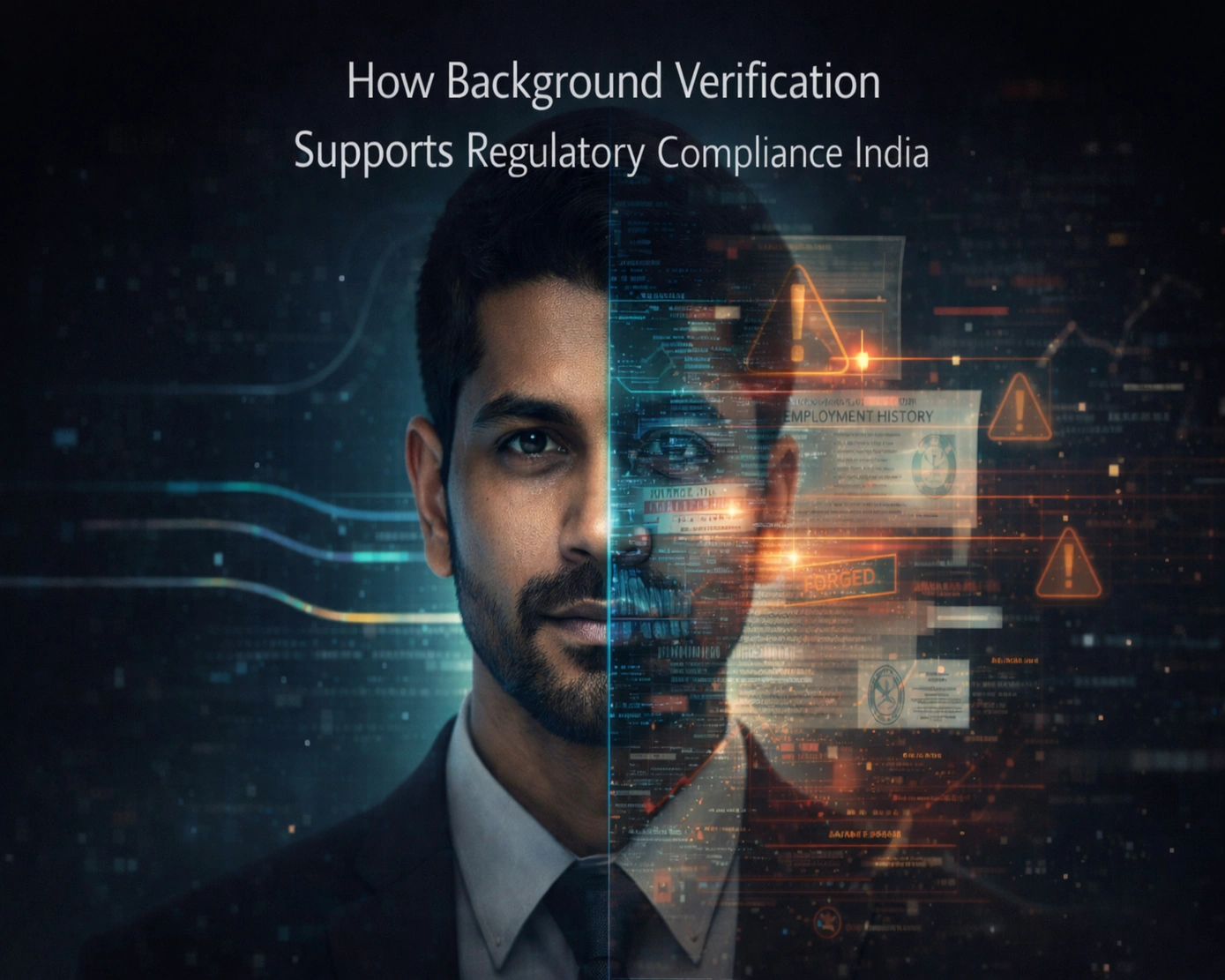
Structured verification processes help identify discrepancies or red flags early in the hiring cycle. Whether it is falsified degrees, unreported criminal history, or misrepresented work experience, uncovering these issues ensures compliance and minimizes operational risk. Companies can avoid potential penalties, reputational damage, and disruptions to client deliverables.
Role of Professional BGV Services
Professional background verification providers like CaseXpert help organizations navigate complex regulatory landscapes. By integrating legal compliance into verification workflows, they provide comprehensive reports that satisfy internal audits and external requirements. This allows HR teams to focus on strategic decision-making while relying on expert processes for regulatory adherence.
Building Trust With Stakeholders
Compliance is not only about avoiding penalties; it also strengthens trust. Investors, partners, and clients gain confidence in organizations that implement structured verification aligned with legal requirements. For HR leaders and founders, demonstrating compliance through verified hiring practices reflects maturity, transparency, and a commitment to governance.

Final Thought
Background verification is a critical tool for regulatory compliance in India. It ensures that organizations hire responsibly, adhere to laws, and minimize operational and legal risk. By partnering with professional verification services, companies can maintain accountability, protect their business, and create a trustworthy and compliant workforce
Leave a comments