How Background Verification Supports Safer Workplace Environments
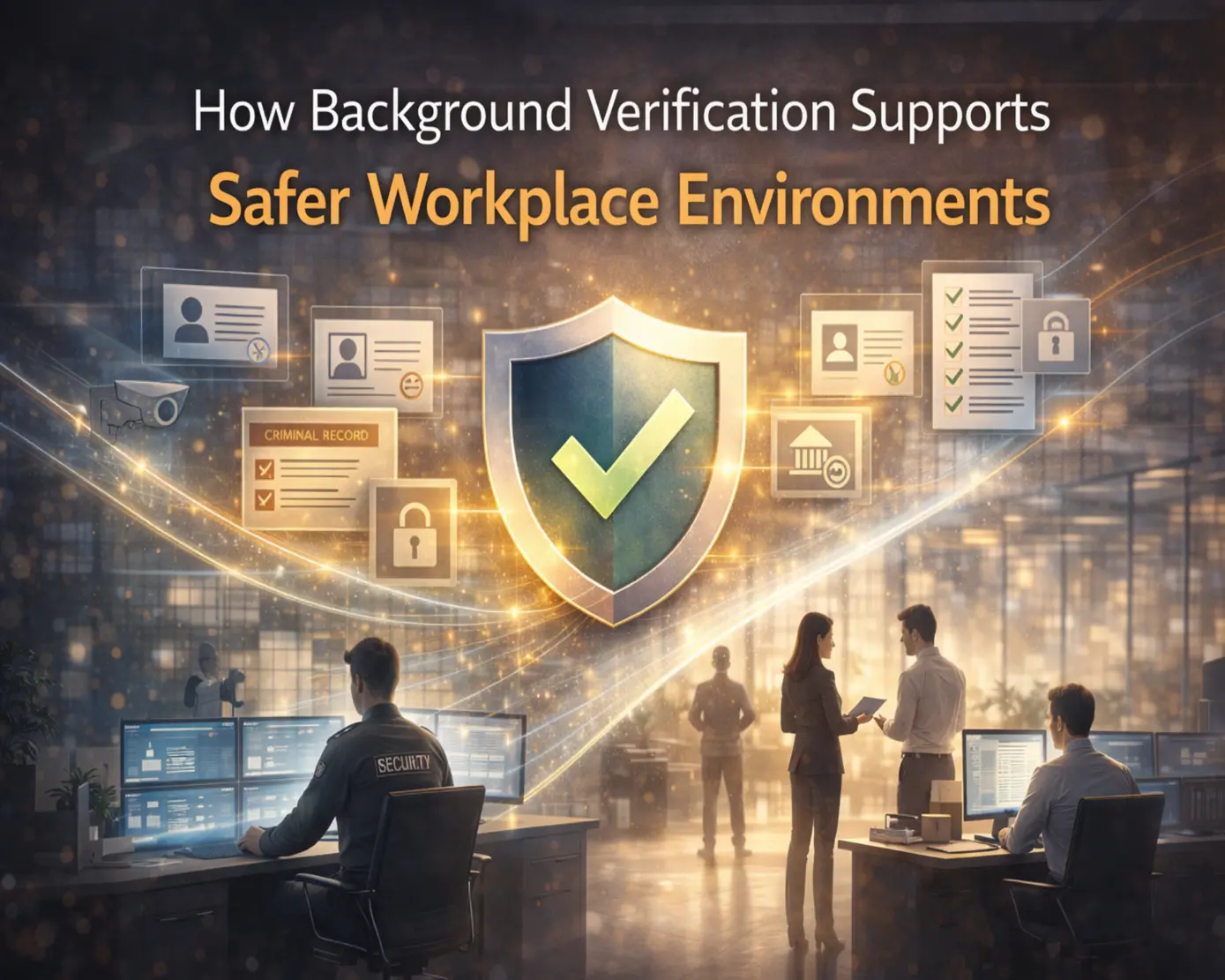
Workplace Safety Starts Before Day One
Workplace safety is often discussed in terms of policies, training, and internal controls. However, one of the most critical safety decisions happens much earlier — during hiring. When organizations onboard employees without proper verification, they introduce unknown risks into the workplace.
Background verification acts as a preventive safety measure. By validating identity, employment history, and legal records, companies reduce the likelihood of misconduct, negligence, or security incidents that can affect employees and operations.
Reducing the Risk of Workplace Misconduct
Incidents of harassment, theft, violence, or unethical behavior often trace back to hiring gaps rather than policy failures. Criminal background checks and employment verification help identify patterns that may indicate potential risk.
While verification does not guarantee behavior, it significantly reduces exposure by ensuring that individuals with serious red flags are identified before joining the organization.
Protecting Employees and Management
A safe workplace protects everyone — employees, managers, and leadership. Unverified hires can create unsafe situations, especially in environments involving physical operations, customer interaction, or access to sensitive systems.
Background verification supports safer supervision, clearer accountability, and stronger trust between teams and leadership.
Supporting Compliance With Safety Regulations
Many industries in India operate under workplace safety and labor regulations. Hiring individuals without proper verification can lead to compliance violations, especially if incidents occur.
Verification records demonstrate that the organization exercised due diligence, which is critical during inspections, investigations, or legal proceedings related to workplace safety.
Creating a Culture of Responsibility
When employees know that hiring standards are consistent and verification is taken seriously, it reinforces a culture of responsibility and professionalism. Teams feel more secure knowing that colleagues have been vetted and meet organizational standards.
This cultural impact contributes to lower conflict, better collaboration, and improved morale.
Role-Based Safety Considerations
Certain roles require heightened safety screening — such as positions involving machinery, security, healthcare, or public interaction. Background verification allows organizations to apply additional checks where safety risks are higher.
Tailored verification ensures that safety controls align with real-world risk rather than generic hiring practices.
Final Thought
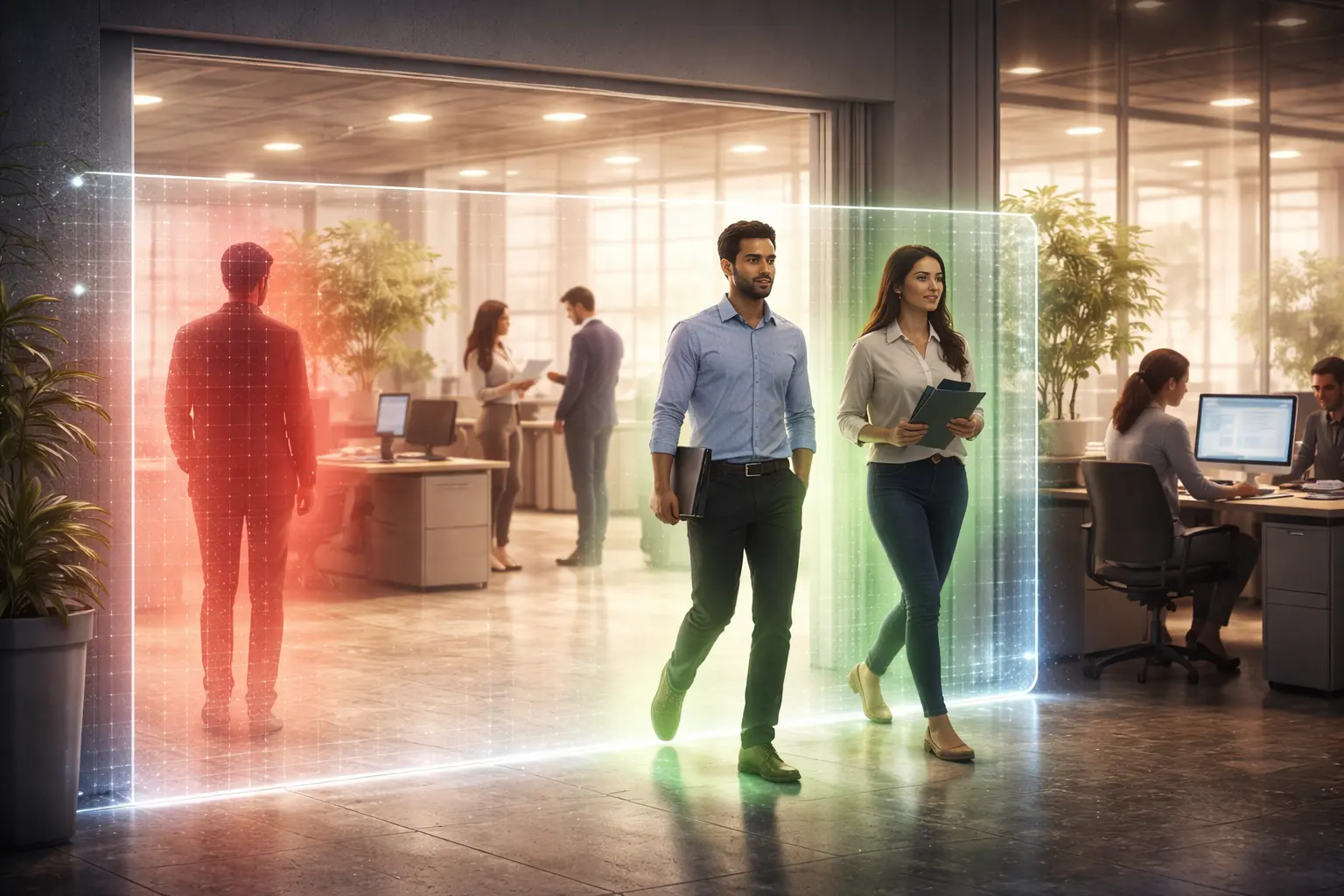
A safe workplace is built on prevention, not reaction. Background verification strengthens safety by reducing avoidable risks at the hiring stage. Organizations that prioritize verification protect their people, operations, and reputation — creating environments where employees can work with confidence and trust
Leave a comments