Digital vs Manual Background Verification in India
Understanding Manual Background Verification
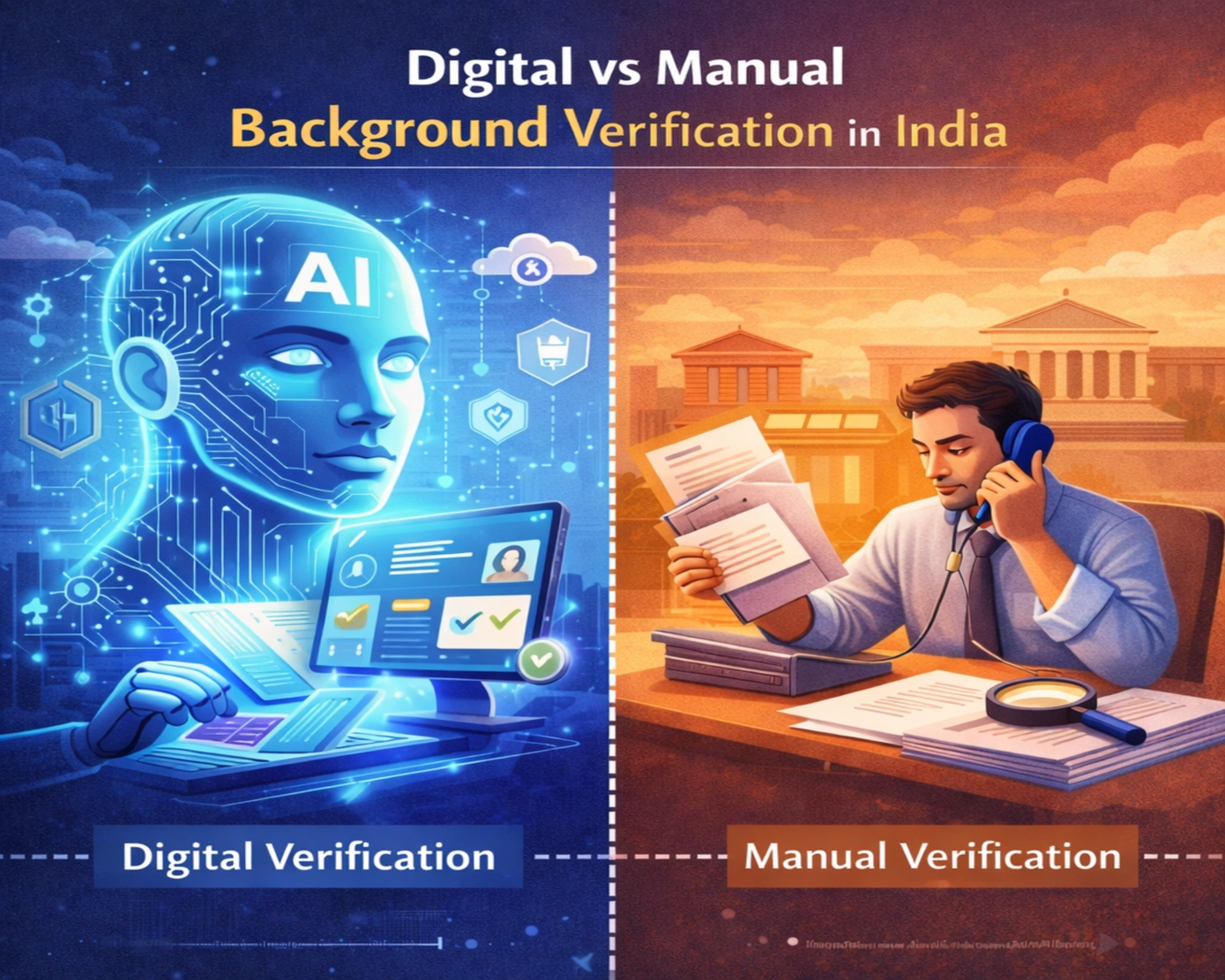
Manual background verification has been the traditional approach for decades. It relies heavily on direct interactions with previous employers, educational institutions, and local authorities. Verification agents often conduct field visits, make phone calls, or examine physical documents to ensure authenticity. This method allows HR teams to dig deeply into a candidate’s history and often uncovers nuances that automated systems might miss.
However, manual verification is inherently time-consuming. For candidates who have worked across multiple locations or have diverse educational backgrounds, the process can take weeks. Delays in receiving responses from institutions or employers are common, and human errors, such as misreading documents or missing critical details, can occur. Despite these challenges, manual verification remains valuable for roles where thoroughness outweighs speed, particularly in compliance-sensitive industries such as finance, healthcare, or government contracting.
The Emergence of Digital Verification
Digital background verification has transformed the hiring landscape in India. By leveraging technology, verifiers can access government databases, institutional portals, and corporate records quickly. Automated systems allow verification agencies to validate identities, educational qualifications, and employment history in a fraction of the time it would take manually.
This approach is particularly effective for high-volume hiring, remote recruitment, and positions that require rapid onboarding. Digital verification also reduces the margin for human error and provides auditable logs for compliance purposes. Candidates benefit as well, as automated processes often involve less back-and-forth communication and faster turnaround times, creating a smoother onboarding experience.
Balancing Speed and Accuracy
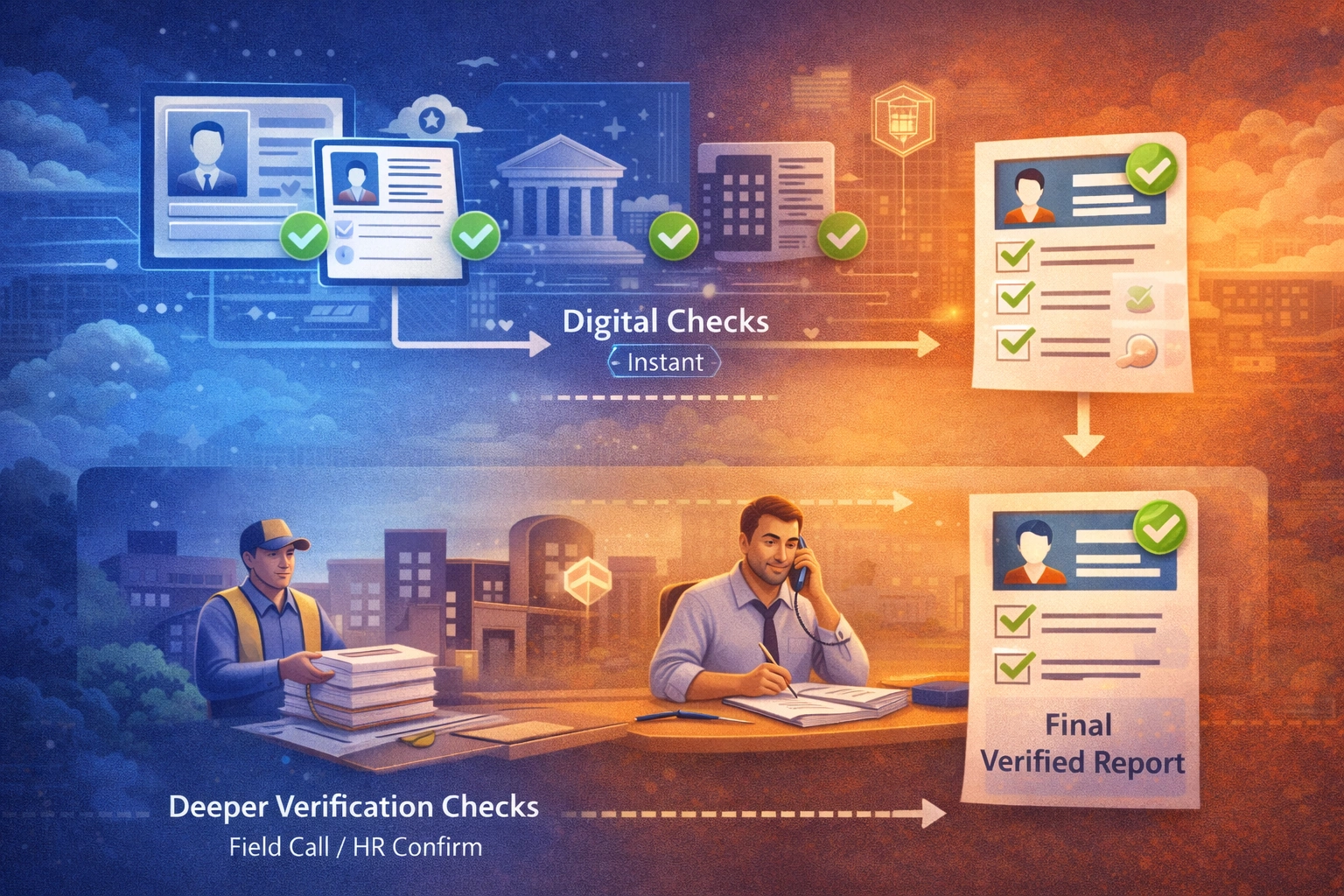
While digital verification offers speed, manual verification provides depth and context. Many companies adopt a hybrid approach that combines both methods. Routine checks, such as identity and education, can be completed digitally, while more nuanced verifications, like employment history and references, benefit from manual investigation.
This balance ensures that organizations do not sacrifice accuracy for efficiency. In sectors where the cost of a wrong hire is high — for instance, positions handling sensitive client data or regulatory compliance — this combination provides the assurance that every hire is thoroughly validated.
Why Professional BGV Services Make the Difference
HR teams rarely have the resources to manage both digital and manual verification in-house effectively. Professional BGV services integrate both approaches into a seamless workflow, offering real-time tracking, audit-ready reports, and compliance-aligned processes. This allows HR managers, recruiters, and founders to focus on strategic hiring decisions rather than being bogged down by administrative work.
Partnering with experts also ensures access to updated technology, institutional contacts, and industry best practices, which are difficult for most internal teams to replicate. Companies benefit from faster hiring cycles, improved candidate experience, and reduced operational risk.
Final Thought
In today’s fast-paced business environment, background verification is more than just a procedural step — it is a critical safeguard. Combining digital speed with manual diligence ensures that every candidate is accurately vetted while keeping the hiring process efficient. Organizations that embrace this approach can hire confidently, protect their operations, and maintain trust with employees, clients, and regulators.
Leave a comments