How Background Verification Protects Companies from Fraud
Fraud Risks in Modern Hiring
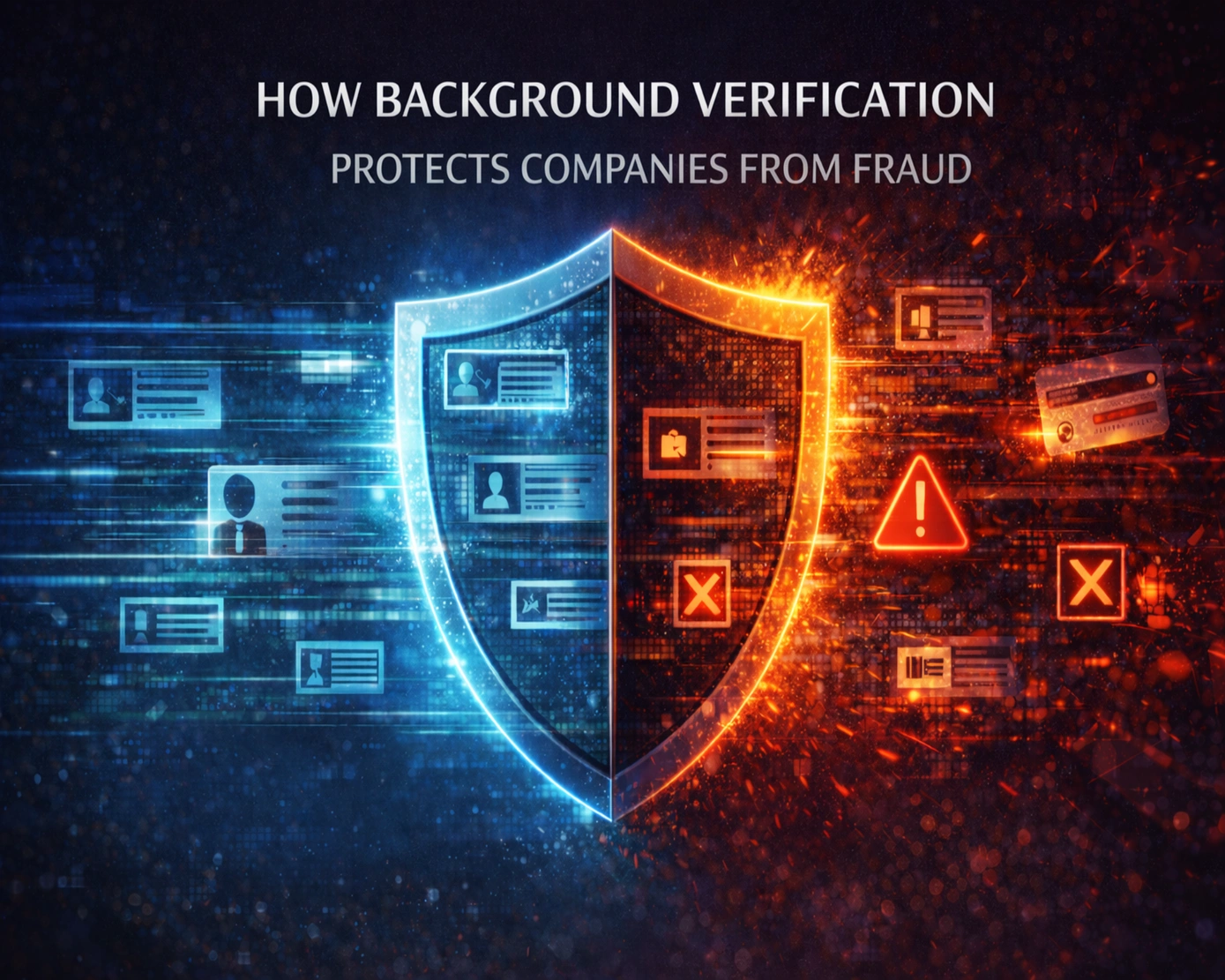
In today’s competitive business environment, fraud is a real and growing threat during the hiring process. Candidates may misrepresent their identity, educational qualifications, or employment history, and some may even conceal criminal or financial irregularities. For companies in India, even a single fraudulent hire can lead to financial losses, reputational damage, and operational disruptions. Background verification acts as a first line of defense, identifying potential risks before they affect the organization.
Identity Verification as the First Defense
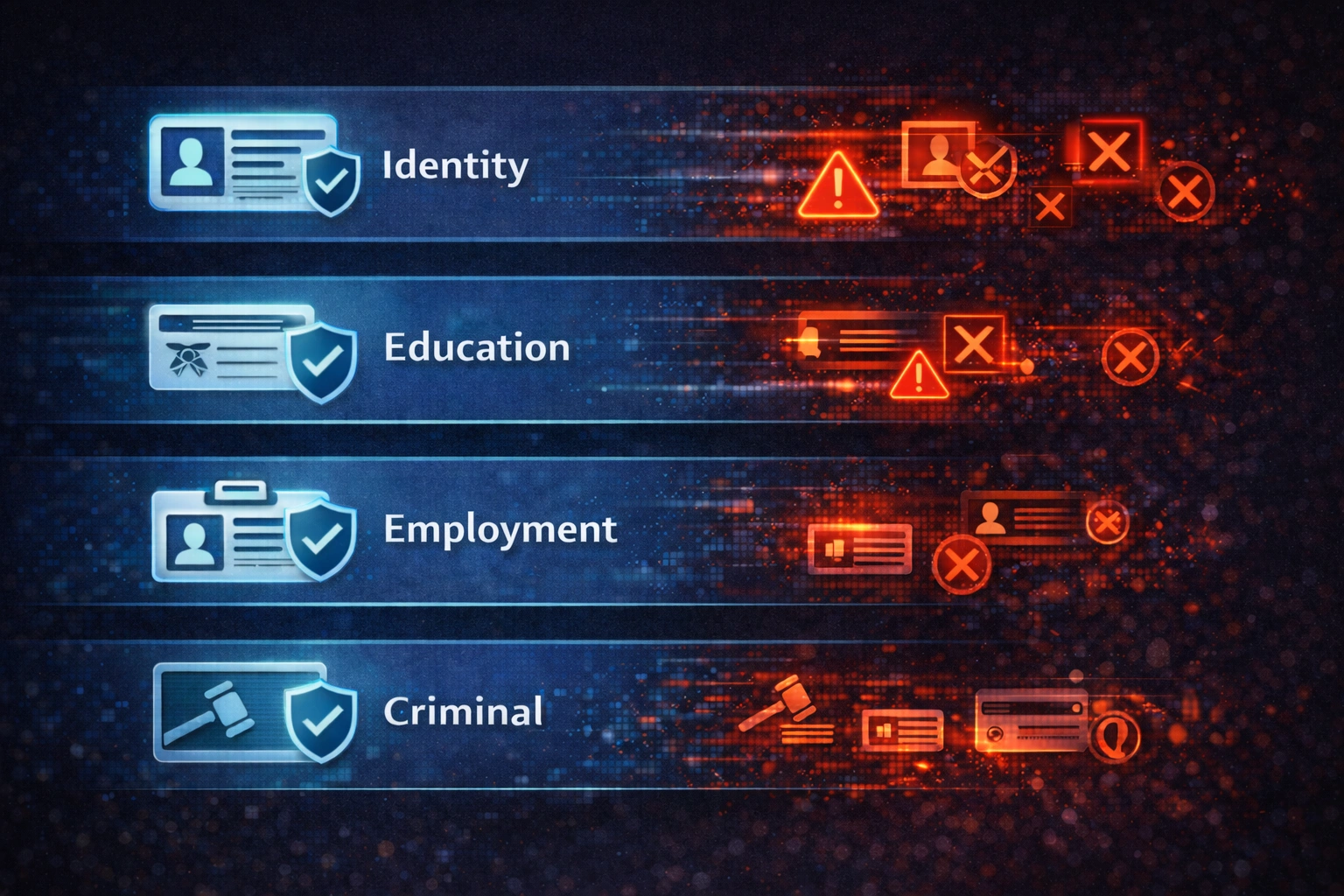
Identity fraud is one of the most common ways candidates misrepresent themselves. Using false documents or stolen identities can allow unqualified individuals to gain access to sensitive company information, client data, or financial systems. By verifying government-issued IDs, addresses, and other personal records, companies ensure they are hiring the person they believe they are, significantly reducing the risk of fraud.
Validating Credentials and Work History
Education and employment verification are crucial in uncovering falsified credentials or exaggerated experience. Candidates with fake degrees or misrepresented roles may lack the skills needed for critical functions, leading to mistakes, project failures, or compliance breaches. Background verification confirms qualifications and past employment, ensuring companies hire competent, trustworthy professionals.
Detecting Criminal and Financial Red Flags
Criminal history checks, credit checks, and legal record verification help identify candidates who could pose a risk to the organization. Unreported criminal cases, fraud convictions, or undisclosed financial liabilities can jeopardize workplace safety and client trust. Background verification flags these issues early, allowing HR and leadership teams to make informed hiring decisions.
Protecting Sensitive Data and Intellectual Property
Fraudulent employees can compromise sensitive information or intellectual property, particularly in IT, BFSI, and healthcare sectors. Thorough background checks reduce this risk by ensuring that employees with access to critical systems or data have been properly vetted. Companies can mitigate potential data breaches and protect their strategic assets before hiring begins.
Strengthening Trust and Compliance
Beyond fraud prevention, background verification builds internal and external trust. Employees, clients, and investors are reassured that the company takes due diligence seriously. It also ensures compliance with legal and regulatory requirements, providing audit-ready documentation that protects the company in case of disputes or investigations.
Final Thought
Background verification is more than a procedural step — it is a strategic safeguard against fraud. Companies in India that implement professional verification practices protect themselves from financial, operational, and reputational risks while building a trustworthy workforce. By combining human insight with technology-enabled verification, organizations can hire confidently and focus on growth with minimal risk exposure.
Leave a comments