Role-Based BGV: How to Customize Checks for Different Positions
Why One-Size-Fits-All Verification Doesn’t Work
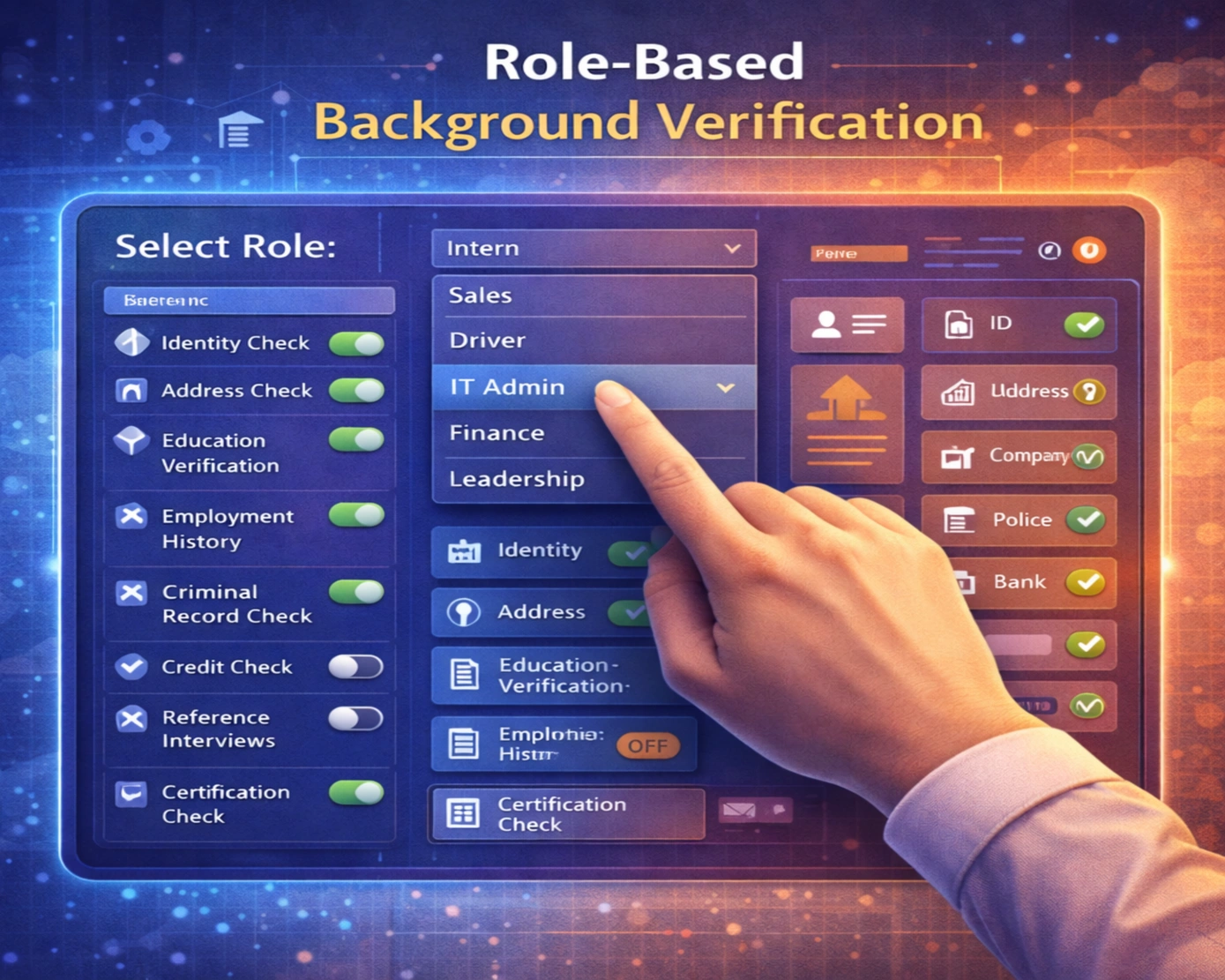
Not all roles carry the same risk, responsibility, or access within an organization. A junior administrative position does not require the same level of scrutiny as a senior executive handling finances or sensitive client data. Applying the same verification checks to every employee can waste resources, slow hiring, and still leave critical areas vulnerable. Role-based background verification addresses this challenge by tailoring checks according to the responsibilities, access level, and risk associated with each position.
Core Checks Across All Roles
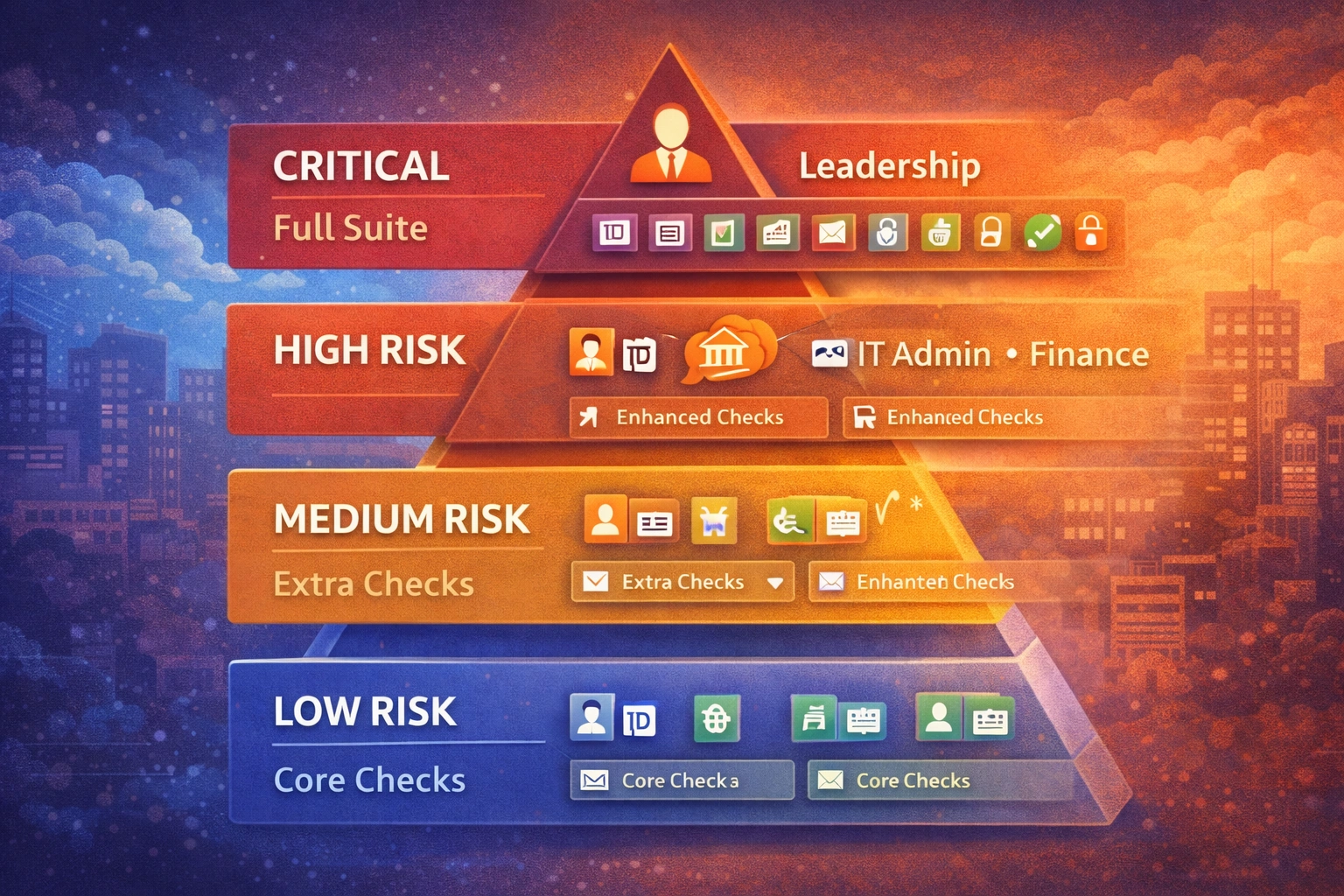
Certain verification steps remain essential for every role. Identity and address verification, basic employment history, and educational validation form the foundation of background checks. These steps ensure that every employee, regardless of their role, is genuine and legally compliant. Even for low-risk positions, these core checks reduce the chance of fraud or misrepresentation and maintain organizational trust.
Enhanced Checks for High-Risk Roles
Positions involving financial authority, access to confidential data, or decision-making power require more extensive verification. For such roles, organizations often include criminal record checks, detailed employment verification, credit history, and reference interviews. Additionally, specialized roles like healthcare professionals, IT administrators, or regulatory compliance officers may require certifications, licenses, and industry-specific verifications.
Tailoring the verification process this way ensures that organizations are investing resources efficiently while protecting critical business areas.
Streamlining Hiring With Role-Based Verification
Implementing role-based verification prevents unnecessary delays and maintains a positive candidate experience. HR teams can design verification packages that focus only on relevant risk areas for each role. This targeted approach allows faster onboarding, reduces administrative effort, and ensures that critical checks are thorough and meaningful.
The Strategic Advantage
Role-based verification is not just operational efficiency — it is a strategic decision. By focusing on high-risk roles without neglecting core checks for all positions, organizations protect themselves from potential fraud, legal exposure, and reputational harm. It also demonstrates a mature, evidence-driven approach to talent management, which is valued by investors, clients, and regulatory authorities.
Final Thought
Background verification is most effective when it is intelligent and tailored. Role-based BGV allows companies to protect sensitive operations, reduce hiring risk, and streamline processes for every type of position. Organizations that adopt this approach can build reliable, compliant, and high-performing teams without slowing down growth.
Leave a comments