For decades, organizations have described trust as a core value. It appears in annual reports, leadership speeches, company websites, and workplace culture initiatives. Yet, despite its frequent mention, trust has often been treated as something intangible—important, but difficult to manage or measure.
That perception is changing.
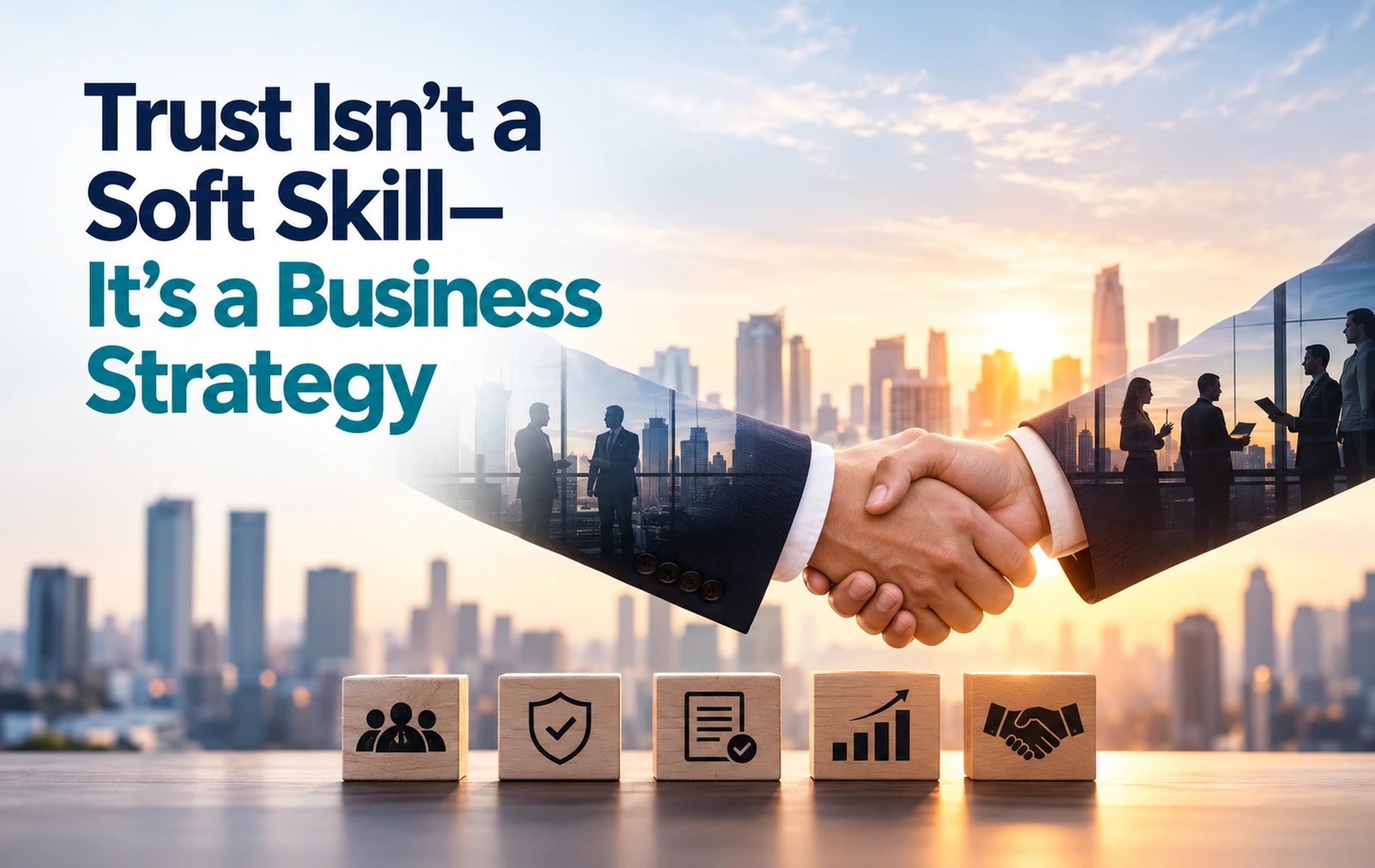
In today's business environment, trust directly influences how organizations attract talent, win enterprise contracts, secure investment, manage regulatory expectations, and build long-term customer relationships. It is no longer confined to workplace culture or brand reputation. Trust has become a strategic capability that affects how businesses grow, compete, and respond to uncertainty.
Organizations that understand this shift are moving beyond simply talking about trust. They are embedding it into governance, decision-making, hiring, vendor management, compliance, and leadership accountability.
Why Trust Has Become a Strategic Business Asset
Every business relationship begins with a decision to trust.
Customers trust organizations with their personal information.
Investors trust leadership to allocate capital responsibly.
Employees trust employers to create fair and ethical workplaces.
Partners trust vendors to deliver consistently.
Regulators trust organizations to operate within legal and ethical boundaries.
Without trust, every relationship becomes slower, more expensive, and more difficult to sustain.
Contracts become more complex.
Audits become more frequent.
Oversight increases.
Decision-making slows down.
The cost of doing business rises.
Trust reduces friction.
That is why it should be viewed as a strategic business asset rather than a cultural aspiration.
Trust Influences Decisions Long Before Products Do
Organizations often believe customers choose them solely because of product quality, pricing, or innovation.
While these factors matter, trust frequently shapes decisions before a product is ever evaluated.
Consider how businesses select:
-
Background verification partners
-
Cloud service providers
-
Financial institutions
-
Recruitment agencies
-
Healthcare providers
-
Technology vendors
Before comparing features, buyers ask questions such as:
"Can we trust this organization?"
"Will they protect our data?"
"Do they operate responsibly?"
"Can they deliver consistently?"
Trust becomes the foundation upon which every commercial decision is built.
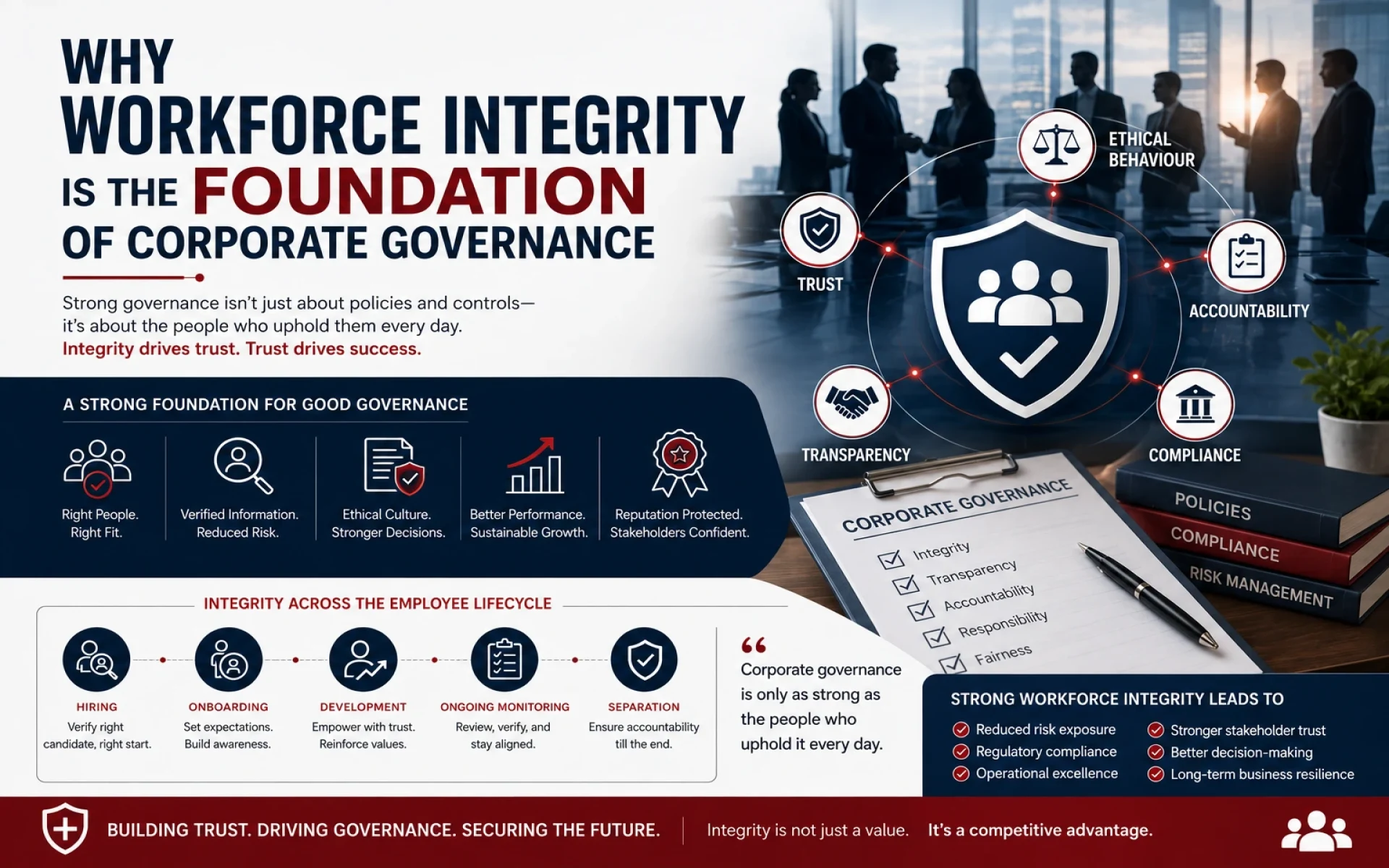
Strong Governance Creates Strong Trust
Trust does not emerge by chance.
It is built through consistent governance.
Organizations strengthen trust when they:
-
Make transparent decisions
-
Maintain ethical leadership
-
Follow clear compliance practices
-
Protect confidential information
-
Respond honestly during crises
-
Verify critical information before making decisions
-
Apply policies consistently across the organization
Governance transforms trust from an emotional perception into an operational capability.
Trust Has Financial Value
Although trust rarely appears directly on a balance sheet, its financial impact is significant.
High-trust organizations often experience:
-
Faster customer acquisition
-
Stronger client retention
-
Lower employee turnover
-
Reduced compliance costs
-
Greater investor confidence
-
Improved operational efficiency
-
Better collaboration across teams
Conversely, organizations that lose trust frequently face legal costs, reputational damage, increased regulatory scrutiny, customer attrition, and higher recruitment expenses.
Trust therefore influences both revenue growth and risk reduction.
Trust Is Built Through Small Decisions
Many leaders assume trust is created through major corporate initiatives.
In reality, it develops through everyday decisions.
Examples include:
Hiring qualified individuals rather than simply filling vacancies.
Protecting customer information with appropriate controls.
Being transparent when mistakes occur.
Managing vendors responsibly.
Addressing conflicts of interest promptly.
Supporting ethical leadership at every level.
Over time, these consistent actions create confidence among employees, customers, investors, and business partners.
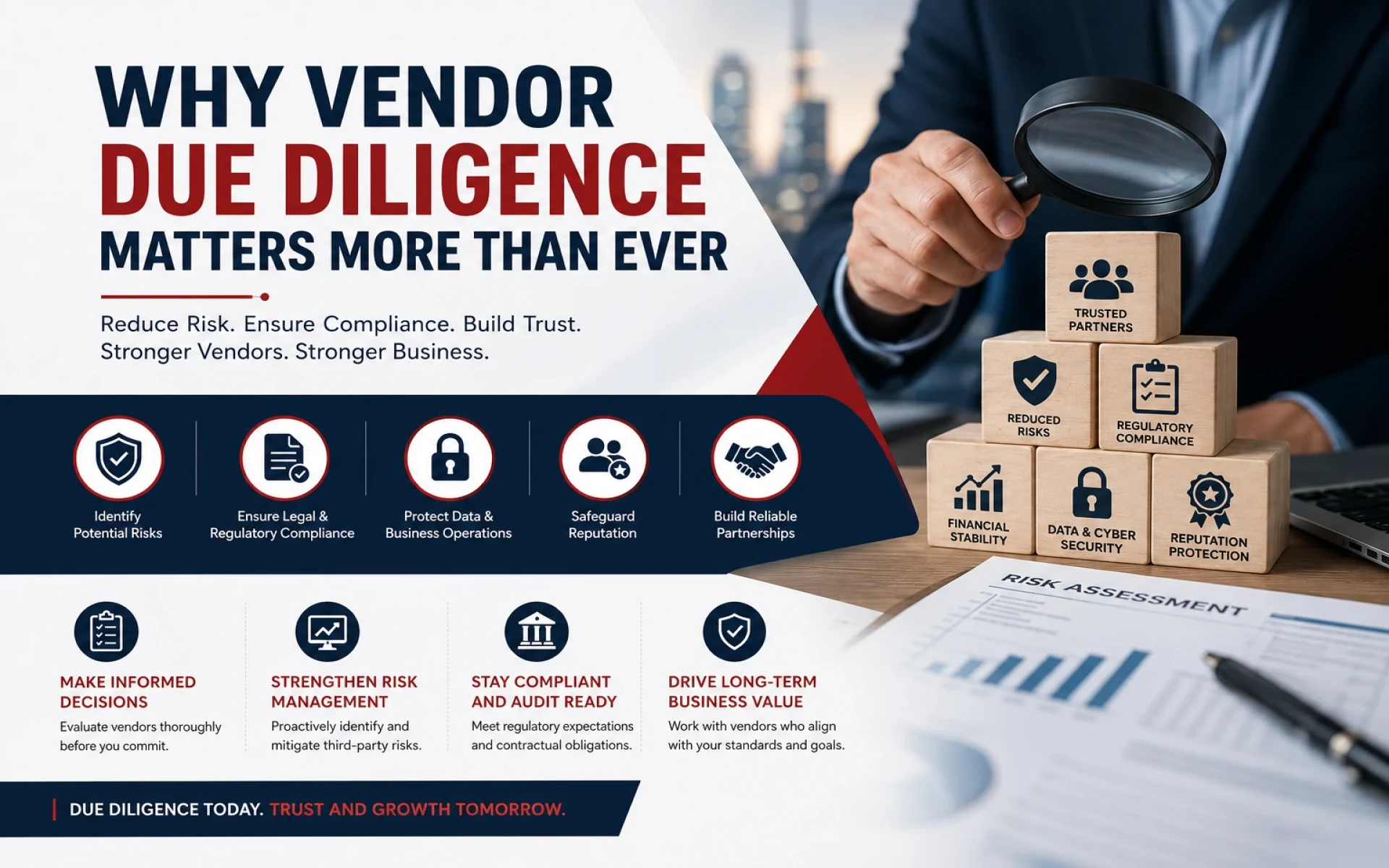
The Role of Verification in Building Trust
Verification is often viewed as a compliance activity.
Its broader contribution is the confidence it creates.
Organizations verify information because informed decisions are more reliable than assumptions.
Whether confirming a candidate's employment history, evaluating a vendor, or conducting executive due diligence, verification strengthens the credibility of important business relationships.
Trust grows when organizations consistently demonstrate that important decisions are supported by reliable information.
Leadership Determines Whether Trust Becomes Reality
No governance framework can compensate for leadership that fails to model ethical behaviour.
Employees observe how leaders respond to challenges, communicate during uncertainty, recognize accountability, and apply organizational values.
When leadership demonstrates consistency between words and actions, trust becomes part of organizational culture.
When actions contradict stated values, trust declines regardless of formal policies.
Leadership therefore remains one of the strongest predictors of organizational trust.
Why Trust Will Shape Competitive Advantage
Markets continue becoming more transparent.
Customers have greater access to information.
Employees evaluate employers more carefully.
Investors assess governance practices more closely.
Regulators expect stronger accountability.
Artificial intelligence is making company information easier to discover and compare.
In this environment, organizations that consistently earn trust will differentiate themselves beyond price, technology, or scale.
Trust will increasingly become one of the most sustainable competitive advantages available.
Key Takeaways
-
Trust directly influences business performance, governance, and long-term growth.
-
Strong governance and ethical leadership create sustainable stakeholder confidence.
-
Verification and due diligence strengthen trust by reducing uncertainty.
-
Trust lowers operational friction and supports better business relationships.
-
Organizations that treat trust as a strategic capability are better positioned for long-term resilience.
CaseXpert Perspective
Many organizations still treat trust as an outcome of success. We believe the opposite is increasingly true.
Trust is becoming a prerequisite for success.
Before customers sign contracts, before investors commit capital, before employees accept offers, and before regulators approve operations, organizations are evaluated on whether they demonstrate integrity, transparency, and accountability.
Businesses that intentionally build trust into hiring, governance, compliance, and decision-making are not simply protecting their reputation—they are strengthening one of their most valuable strategic assets.
Final Thought
Technology will continue to evolve.
Markets will continue to change.
Regulations will continue to become more complex.
But one principle will remain constant:
Organizations grow through relationships, and relationships are built on trust.
Companies that recognize trust as a strategic business capability—not merely a corporate value—will be better equipped to navigate uncertainty, earn stakeholder confidence, and create sustainable long-term success.
Strong business relationships begin with reliable information, responsible decisions, and consistent verification. CaseXpert helps organizations strengthen confidence through structured background verification and risk management solutions.
Make Business Trust Strategic Advantage. CaseXpert helps organizations make informed hiring decisions and strengthen workforce confidence through reliable background verification solutions. Talk to our verification specialists or send an enquiry to get started.