Modern businesses rarely operate in isolation. From IT service providers and recruitment agencies to logistics partners and cloud vendors, organizations rely on an extensive network of third parties to support daily operations and drive growth. While these partnerships create opportunities for innovation and efficiency, they also introduce risks that are often underestimated.
Many organizations carefully verify their employees before hiring but fail to apply the same level of scrutiny to the vendors they work with. A supplier with poor compliance practices, financial instability, or a questionable reputation can expose an organization to legal disputes, operational disruptions, regulatory penalties, and reputational damage.
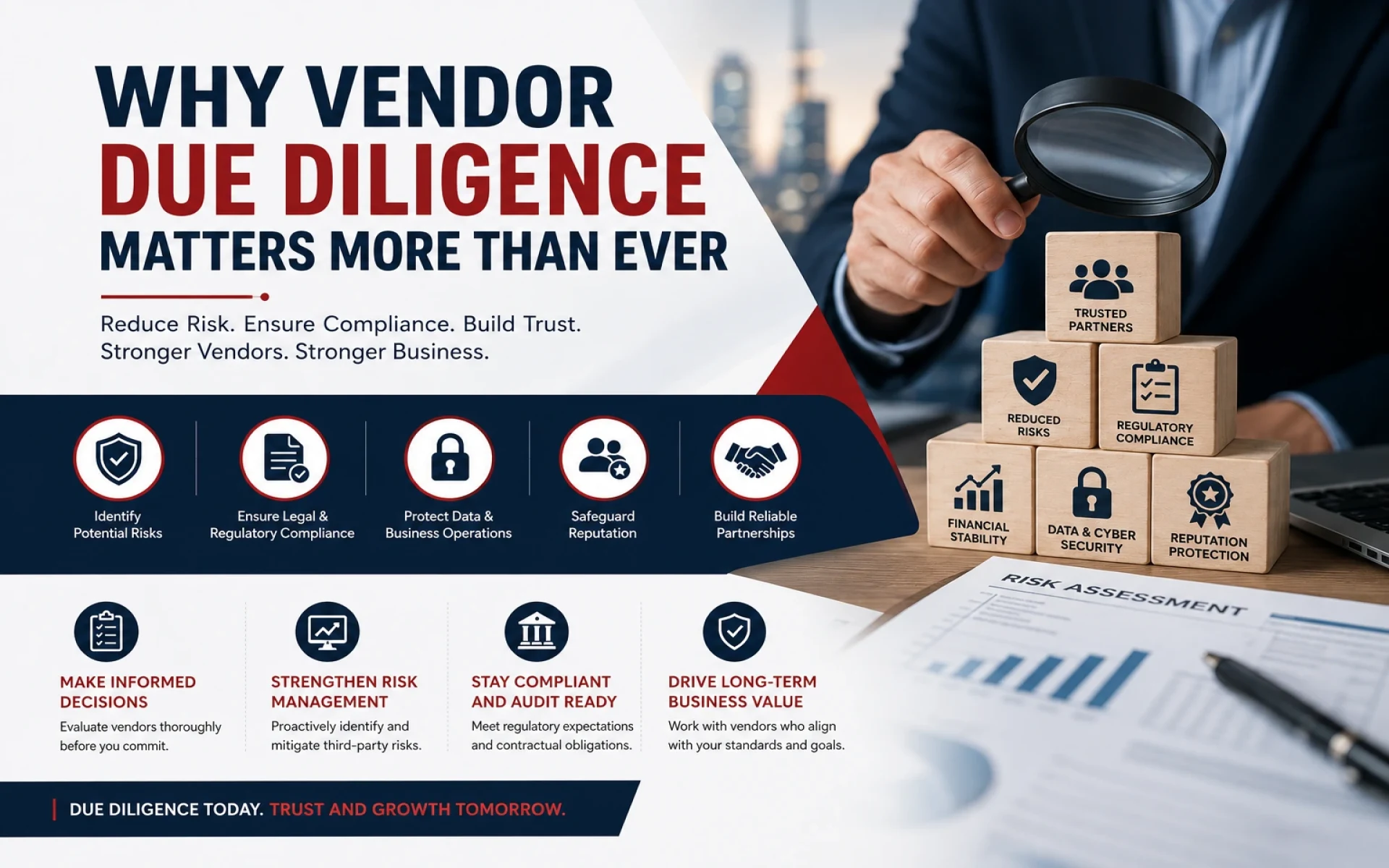
This is why vendor due diligence has become an essential part of modern risk management. It enables organizations to make informed decisions before entering into business relationships and helps ensure that every third party aligns with the company's standards for compliance, integrity, and long-term reliability.
What Is Vendor Due Diligence?
Vendor due diligence is the process of evaluating a supplier, contractor, consultant, or service provider before establishing or renewing a business relationship. The objective is to identify potential risks that could affect the organization's operations, compliance obligations, financial stability, or reputation.
Unlike a simple onboarding checklist, due diligence involves gathering and assessing information from multiple sources to determine whether a vendor can be trusted to meet contractual, operational, and regulatory expectations.
It is a proactive approach that helps organizations prevent problems rather than responding to them after they occur.
Why Vendor Risk Has Increased
Business ecosystems have become significantly more interconnected over the past decade. Organizations now share sensitive information, customer data, intellectual property, and critical systems with external partners on a daily basis.
As a result, the actions of a third-party vendor can directly affect the organization they serve.
Several factors have contributed to this growing risk:
-
Increased reliance on outsourced services
-
Cloud-based infrastructure and digital platforms
-
Global supply chains
-
Stricter data protection regulations
-
Rising cybersecurity threats
-
Greater scrutiny from clients, investors, and regulators
A single weak link within the vendor network can have consequences that extend far beyond one contract.
Risks of Skipping Vendor Due Diligence
Choosing a vendor based solely on pricing or convenience may appear efficient in the short term, but it often creates long-term business risks.
Without proper due diligence, organizations may unknowingly partner with vendors that have:
-
Ongoing legal disputes
-
Financial instability
-
Weak cybersecurity practices
-
Regulatory non-compliance
-
Poor ethical standards
-
Negative media coverage
-
Limited operational capability
-
Hidden ownership structures or conflicts of interest
These issues can lead to project delays, compliance failures, financial losses, data breaches, and lasting reputational damage.
What Should Organizations Evaluate?
An effective vendor due diligence process goes beyond verifying basic company information. It should provide a comprehensive understanding of the vendor's ability to meet business expectations.
Depending on the nature of the engagement, organizations may assess:
Business Identity
Confirm that the vendor is a legally registered entity with valid licenses, registrations, and tax credentials.
Financial Stability
Evaluate whether the vendor has sufficient financial strength to deliver services consistently throughout the contract period.
Regulatory Compliance
Review compliance with applicable laws, industry regulations, certifications, and contractual obligations.
Reputation
Assess market reputation through credible public information, professional references, litigation history, and adverse media where appropriate.
Information Security
Understand how the vendor protects confidential information, manages cyber risks, and responds to security incidents.
Operational Capability
Determine whether the vendor has the resources, expertise, workforce, and infrastructure required to fulfill contractual commitments.
Vendor Due Diligence Is Not a One-Time Exercise
Business conditions change over time. A vendor that met expectations during onboarding may experience financial difficulties, ownership changes, compliance issues, or operational challenges in the future.
For this reason, many organizations now conduct periodic reviews of high-risk vendors instead of relying solely on initial assessments.
Ongoing monitoring helps businesses identify emerging risks before they affect operations and allows organizations to respond proactively rather than reactively.
The Link Between Vendor Due Diligence and Compliance
Regulatory expectations continue to evolve across industries. Organizations are increasingly expected to demonstrate that they have exercised reasonable care when selecting and managing third-party relationships.
Strong vendor due diligence supports compliance by helping organizations:
-
Reduce third-party risk exposure
-
Improve audit readiness
-
Meet contractual obligations
-
Strengthen governance practices
-
Protect customer information
-
Build confidence with regulators and stakeholders
Rather than viewing due diligence as an administrative requirement, leading organizations recognize it as an important component of enterprise risk management.
Common Mistakes Organizations Make
Even organizations that perform vendor reviews often overlook critical areas.
Some of the most common mistakes include:
-
Prioritizing cost over risk assessment
-
Relying solely on self-declared information
-
Conducting the same level of review for every vendor regardless of risk
-
Failing to monitor vendors after onboarding
-
Ignoring reputational and compliance indicators
-
Maintaining incomplete documentation
A risk-based approach ensures that due diligence efforts remain proportionate while focusing resources where they are needed most.
Building a Strong Vendor Due Diligence Framework
An effective framework should be structured, consistent, and aligned with business objectives.
Organizations can strengthen their vendor evaluation process by:
-
Classifying vendors according to business risk
-
Establishing standardized assessment criteria
-
Verifying information through reliable sources
-
Documenting evaluation outcomes
-
Reviewing high-risk vendors periodically
-
Collaborating across procurement, legal, compliance, information security, and business teams
This approach enables better decision-making while supporting long-term operational resilience.
Expert Insight
Vendor relationships are built on trust, but trust should never rely solely on assumptions. As organizations become more interconnected, third-party risk becomes business risk.
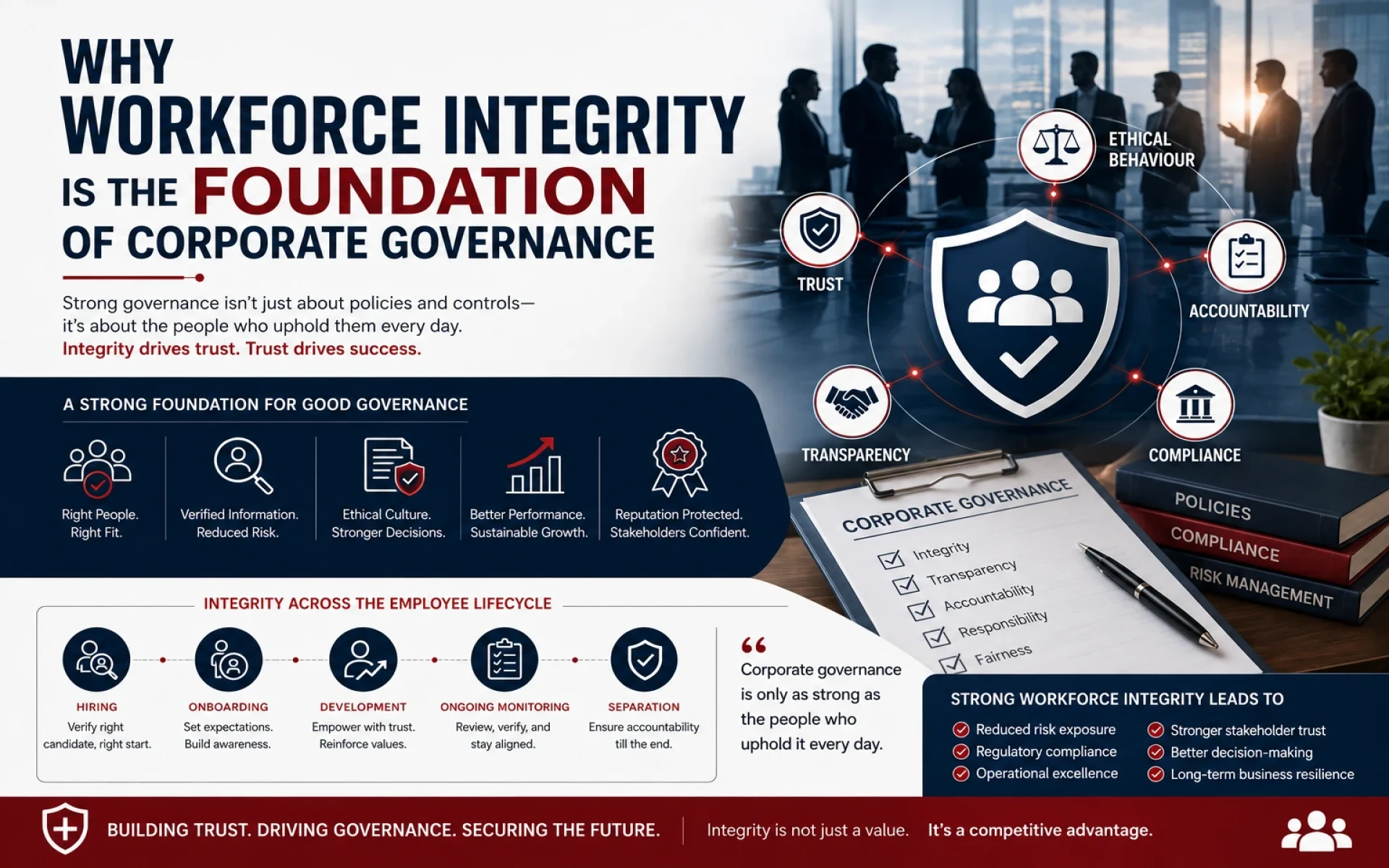
Vendor due diligence is no longer just a procurement activity—it is a governance practice that helps protect business continuity, regulatory compliance, customer confidence, and organizational reputation. Companies that evaluate their partners with the same discipline they apply to hiring decisions are better prepared to navigate today's increasingly complex business environment.
Final Thought
Every vendor becomes an extension of your organization. Their practices, reliability, and integrity can directly influence your operations, customers, and brand reputation.
By investing in a structured vendor due diligence process, organizations gain more than risk protection—they build stronger partnerships, make better strategic decisions, and create a foundation of trust that supports sustainable growth.
Your vendors are part of your risk environment — knowing who you work with is just as important as knowing who you hire.
Build Stronger Partnerships With Better Due Diligence. CaseXpert helps organizations evaluate vendors and third parties through structured verification and risk-focused due diligence. Talk to our verification specialists or send an enquiry to get started.