When companies work with major clients, especially enterprises and organisations with strict risk and compliance frameworks, they often become subject to the client's own due diligence requirements. One common requirement is assurance that the employees, contractors or other personnel serving the account have been appropriately screened and verified.
Background verification can help organisations meet these expectations by providing documented evidence that relevant checks have been completed according to agreed standards.
This article explains how supports client due diligence requirements. It explores why clients request verified personnel, what verification requirements may involve, how companies can maintain appropriate documentation, and why a structured verification programme can strengthen client relationships.
Why Clients Require Verified Personnel
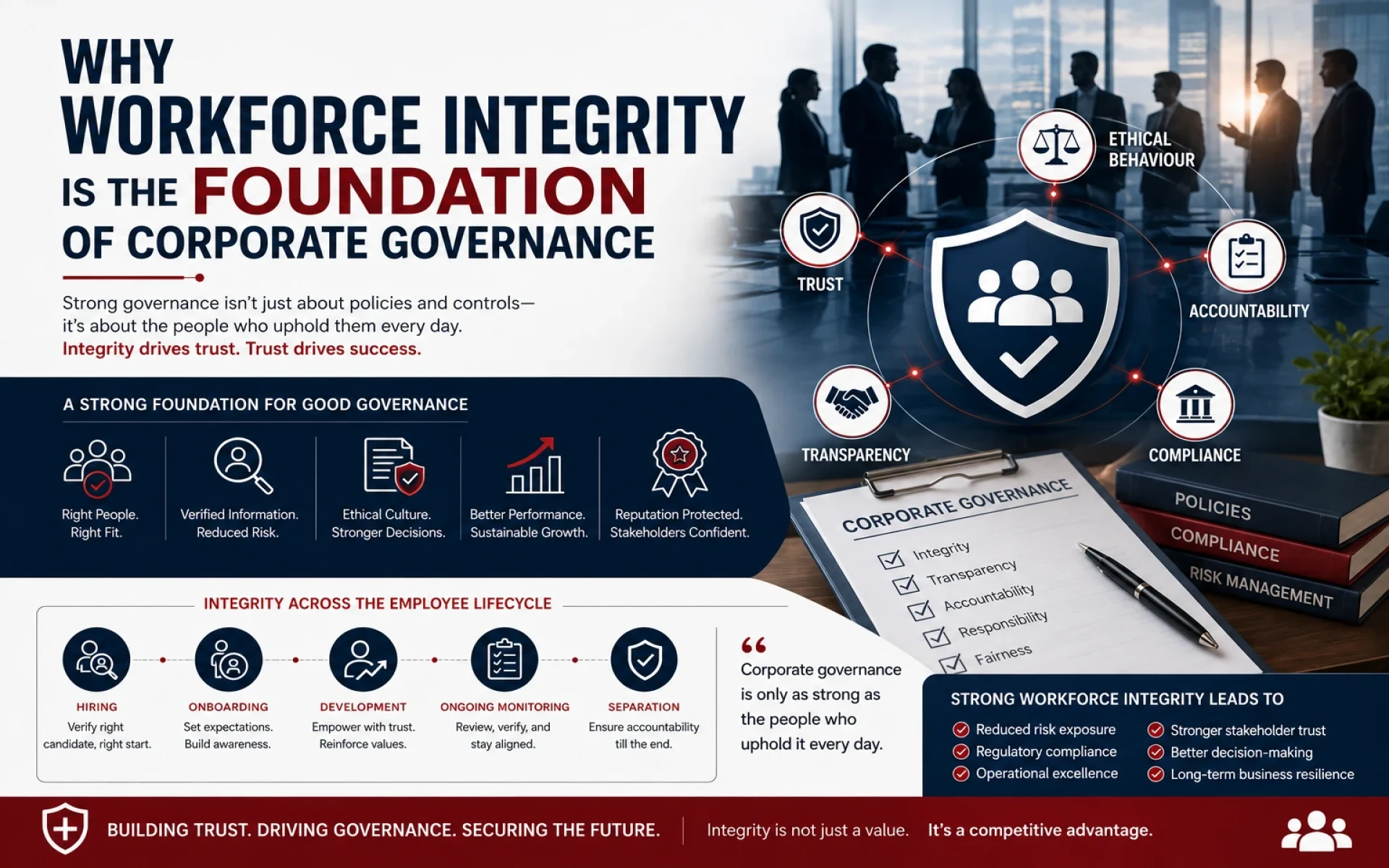
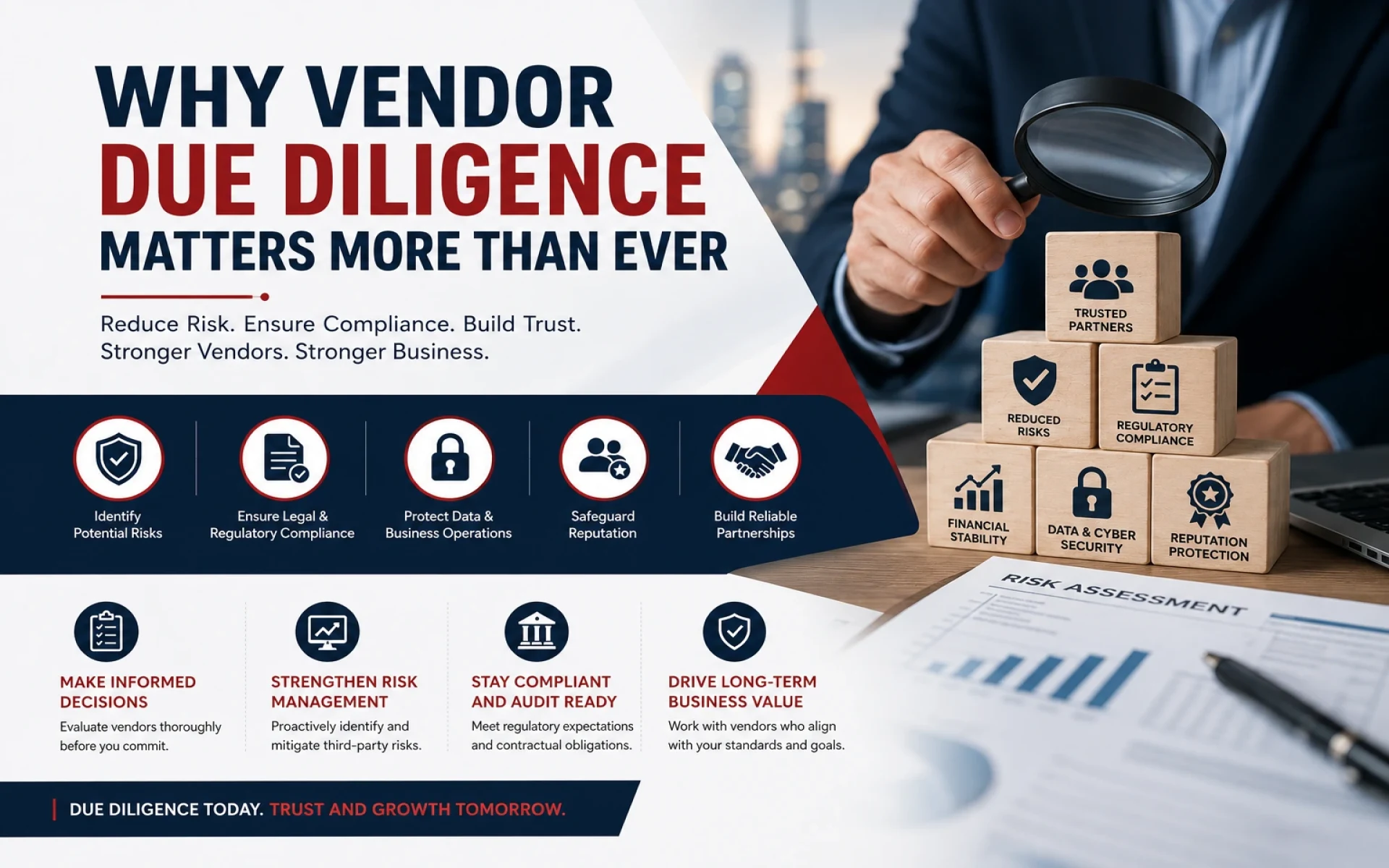
Clients are increasingly conscious of the risks that suppliers and service providers can introduce. When a company gives a vendor's employees access to sensitive information, systems, facilities, customers or business operations, it also needs reasonable assurance that those individuals have been appropriately vetted.
Background verification helps provide that assurance by validating relevant information about the people assigned to client accounts.
For the service provider, this means verification may serve not only as an internal risk-management measure but also as part of meeting the contractual, security or compliance expectations of its clients.
What Client Due Diligence May Require
Client due diligence requirements vary by organisation, industry, geography, contract and level of access. Depending on the engagement, a client may require checks such as:
- Identity verification
- Address verification
- Education verification
- Employment verification
- Criminal record checks, where appropriate
- Professional licence or credential verification
- Additional checks for sensitive or regulated roles
Clients may also specify the verification methodology, required turnaround times, documentation standards and refresh requirements.
For this reason, organisations should review each client's requirements carefully and ensure that their verification programme is aligned with the specific contractual and operational expectations that apply.
Verification as Part of Vendor Onboarding
Background verification can become an important part of vendor and supplier onboarding. Before granting personnel access to client systems, facilities or sensitive information, a client may require evidence that the individuals assigned to the account have completed specified checks.
A company that has a structured verification process can respond to these requirements more efficiently. Instead of creating a new process for every client, it can map its existing verification framework to the requirements of each engagement.
This can simplify onboarding while providing clients with greater visibility into how personnel are screened.
Providing Evidence and Documentation
Performing verification is only one part of meeting client due diligence expectations. Organisations may also need to demonstrate that the required checks were actually completed.
Depending on the client's requirements, documentation may include:
- Evidence that specified checks were completed
- Verification status and completion dates
- Relevant case or reference information
- Records of candidate consent
- Documentation of discrepancies and their resolution
- Audit trails showing consistent application of the process
Maintaining accurate and retrievable records helps organisations respond to client reviews and audits without having to reconstruct historical verification activity.
Maintaining Compliance Over Time
Client due diligence does not always end when a contract is signed. Clients may require newly assigned personnel to complete verification before receiving access, or they may require periodic re-verification for certain roles.
A scalable verification programme helps organisations maintain these requirements as teams change.
This is particularly important for large accounts where employees may join, leave, change roles or gain additional access throughout the relationship. Keeping verification aligned with personnel changes reduces the risk of gaps developing over time.
Protecting Sensitive Client Information
Background verification itself involves handling personal information, so organisations must also consider how candidate data is collected, processed, stored and shared.
A responsible verification programme should incorporate appropriate consent, access controls, data-security measures, retention practices and applicable legal requirements.
This is important when responding to client due diligence requests because organisations must balance the client's need for assurance with the candidate's privacy and applicable data-protection obligations.
The goal should be to provide sufficient evidence of compliance without unnecessarily exposing sensitive personal information.
Verification as a Condition of Winning Business
For some contracts, the ability to demonstrate an established verification process can form part of procurement, security or vendor-risk assessments.
During vendor onboarding, prospective clients may ask how personnel are screened, which checks are conducted, how discrepancies are handled and whether records can be produced for review.
Having clear answers and documented processes can help organisations respond to these requirements more efficiently and demonstrate operational readiness before the engagement begins.
Turning Compliance Into a Business Advantage
Meeting client due diligence requirements is primarily about satisfying the standards associated with a particular engagement. However, a mature verification programme can also strengthen client confidence.
When a company can clearly explain its screening process, provide appropriate documentation and demonstrate consistent execution, it shows that workforce verification is an established operational capability rather than an improvised response to a client's request.
This can support stronger vendor relationships and make it easier to respond to similar requirements as the organisation expands into new enterprise accounts.
How to Meet Client Due Diligence Requirements Effectively
Organisations can strengthen their approach by following a few practical principles:
- Understand the client's requirements before assigning personnel to the account.
- Map required checks to the roles, access levels and contractual obligations involved.
- Obtain appropriate consent before conducting verification.
- Maintain complete documentation for every required check.
- Track verification status as employees join, leave or change roles.
- Review requirements periodically to identify changes or additional obligations.
- Work with a capable verification partner that can provide consistent checks and audit-ready records.
Turning Due Diligence Into a Competitive Capability
Client due diligence is often treated as a compliance hurdle that must be cleared before work can begin. A well-designed verification programme changes that dynamic by making compliance readiness part of the organisation's operational capability.
When a prospective client asks how personnel are screened, a company with a documented and scalable process can respond clearly and provide appropriate evidence. This can reduce administrative friction during procurement and vendor onboarding while reinforcing confidence in the relationship.
The advantage is not simply that verification has been completed. It is that the organisation can demonstrate how verification works, how it is governed and how evidence is maintained.
Key Takeaways
- Client due diligence requirements vary by contract, industry, role and client.
- Background verification can help demonstrate that personnel have undergone appropriate screening.
- Common checks may include identity, education, employment and relevant criminal record verification.
- Documentation and audit trails are often as important as completing the checks themselves.
- Verification requirements may continue throughout the client relationship.
- Candidate privacy and applicable data-protection requirements must be considered when sharing verification evidence.
- A structured verification programme can simplify client onboarding and strengthen operational readiness.
Conclusion
Background verification can play an important role in helping companies meet client due diligence requirements, particularly when clients require assurance about the people who will access their systems, information, facilities or customers.
The most effective approach combines appropriate checks with proper consent, secure data handling, consistent processes and complete documentation. This enables organisations to demonstrate not only that verification was performed, but also that it was conducted according to a defined and defensible process.
When verification becomes part of the organisation's ongoing compliance infrastructure, responding to client requirements becomes more efficient. Instead of treating every due diligence request as a new challenge, companies can rely on established processes and audit-ready records to support client confidence.
Client trust begins with knowing who represents your business. Robust, documented verification helps make that trust demonstrable.
Win and keep clients. CaseXpert delivers documented, consistent verification that satisfies demanding client due-diligence requirements across India. Talk to our verification specialists or send an enquiry to get started.