Internal audits and compliance reviews are designed to give organisations confidence that their controls are operating effectively and that key risks are being managed. People are central to many of those controls, yet the question of whether employees have been appropriately vetted can sometimes receive less attention than financial, operational, or technology controls.
Background verification helps address this gap by providing documented evidence that employees, contractors, and other relevant personnel have undergone defined screening processes.
This article explains how background verification supports internal audits and compliance reviews, from creating an audit trail and demonstrating consistent controls to supporting role-specific requirements and improving compliance readiness. A well-structured verification programme can make reviews more organised, evidence-based, and easier to manage.
People as a Control Point
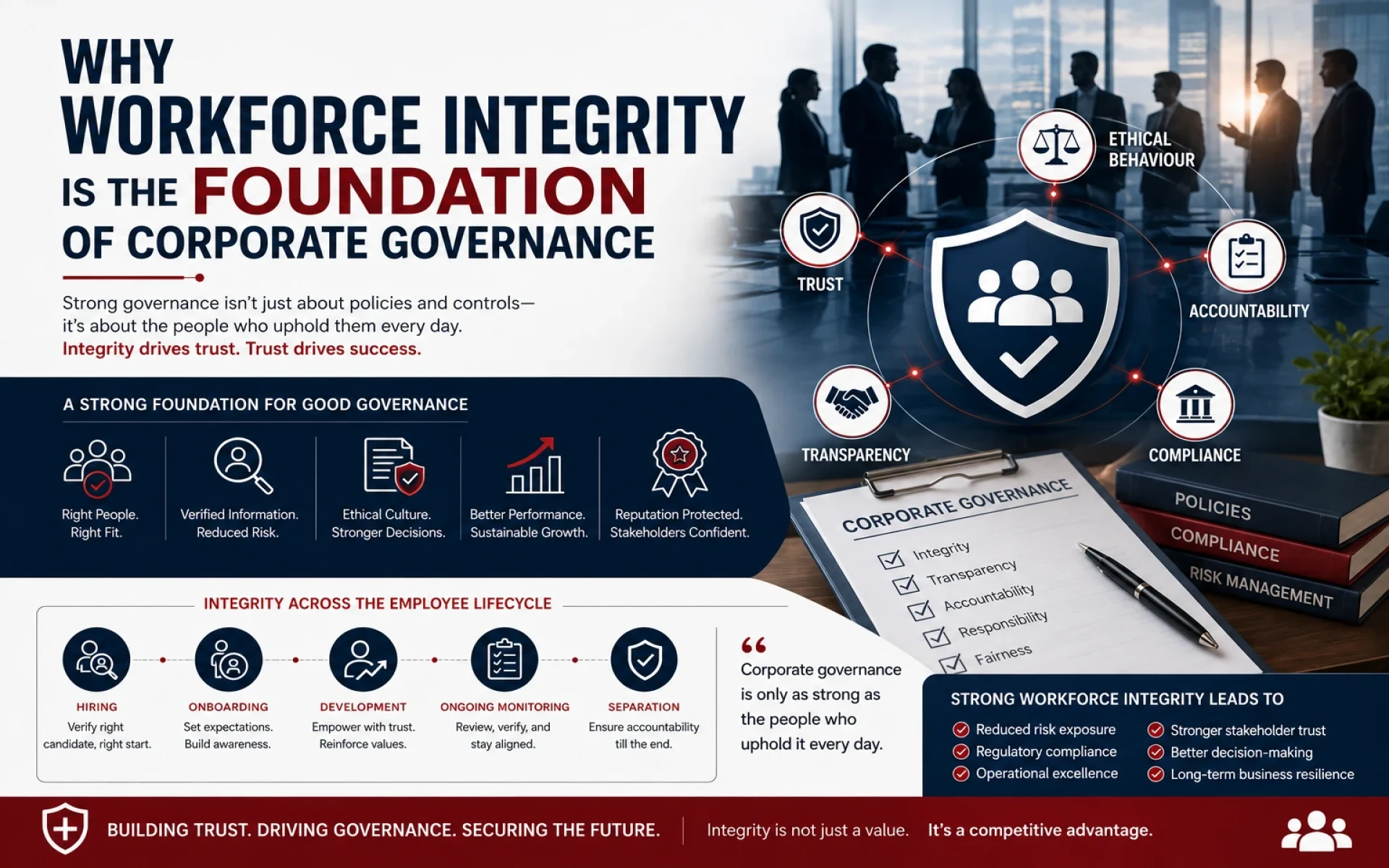
Many audit frameworks focus on processes, financial controls, systems, and documentation. However, these controls are ultimately operated by people.
If an employee has misrepresented a qualification, employment history, identity, or other relevant information, that issue can create risks that may not be visible through process or system controls alone. Background verification addresses this people-related risk by independently validating information that is relevant to the employee's role.
This places verification within a broader assurance framework rather than treating it solely as an HR administrative activity.
The Audit Trail Created by Verification
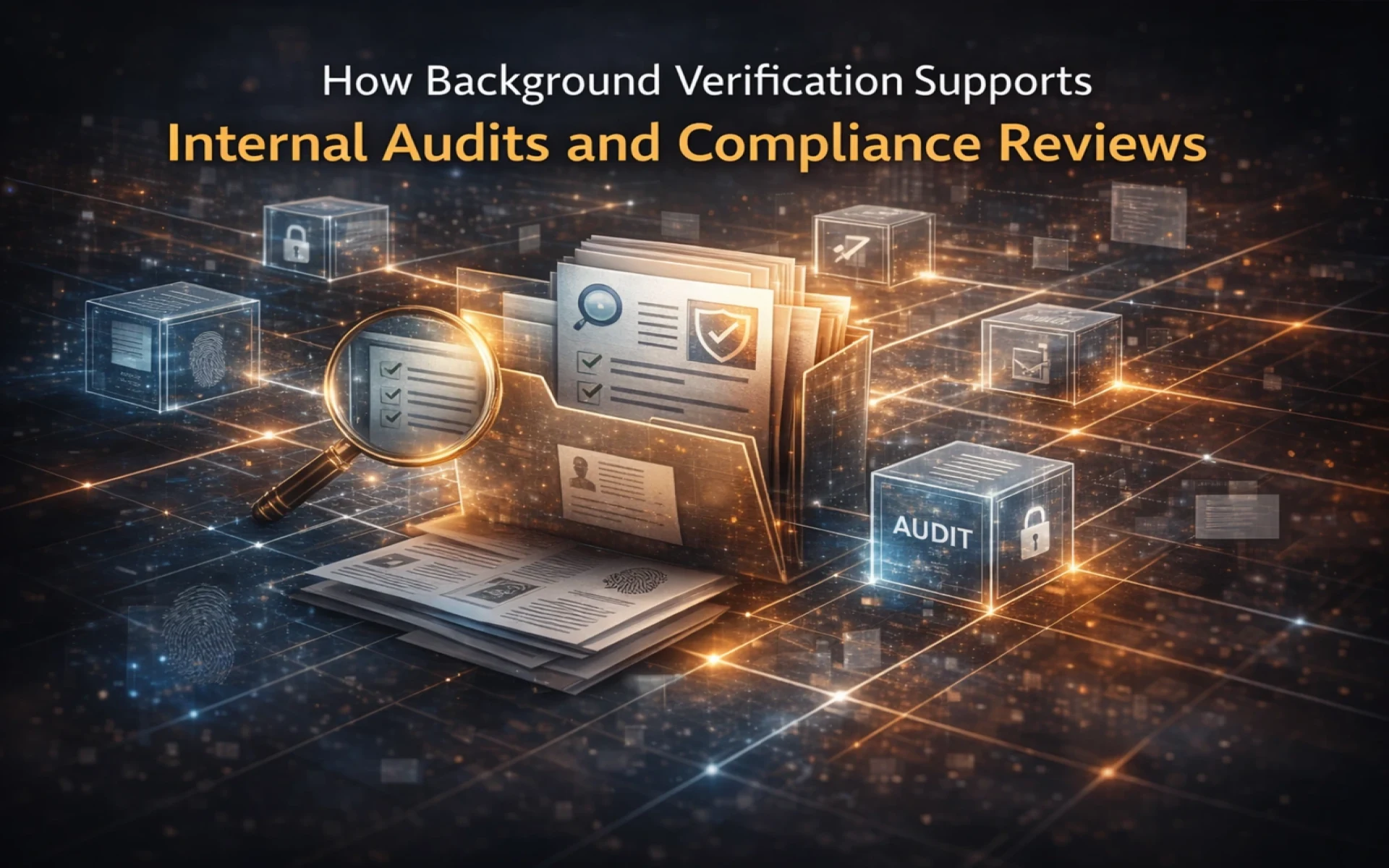
One of the most valuable outcomes of a structured background verification programme is the audit trail it creates.
A properly documented verification case can provide evidence of:
- What checks were conducted
- When the checks were initiated and completed
- Whether appropriate candidate consent was obtained
- What information was verified
- Whether discrepancies were identified
- How relevant discrepancies were reviewed or resolved
- What the final verification outcome was
This documentation allows auditors and compliance teams to assess the process based on evidence rather than relying solely on verbal confirmation that checks were performed.
A consistent record also makes it easier to retrieve information when a particular employee, role, or verification case is selected for review.
Demonstrating Compliance Readiness
Compliance reviews often examine whether an organisation has defined processes and whether those processes are actually followed.
A documented background verification programme can help demonstrate that the organisation has established standards for screening employees and applies them according to defined requirements. When reviewers ask how individuals in sensitive roles were vetted, HR and compliance teams can provide supporting records rather than reconstructing the process after the fact.
This becomes particularly useful when organisations need to demonstrate their controls to clients, auditors, regulators, or other stakeholders.
The key is consistency: the documented process should reflect actual practice, and the records should support the organisation's stated approach.
Supporting Sector-Specific Requirements
Certain industries and roles may have additional requirements relating to qualifications, licences, professional credentials, or eligibility.
Background verification can support these requirements by helping organisations confirm information relevant to specific positions.
Depending on the sector and role, this may include:
- Verifying professional qualifications and credentials
- Confirming relevant licences or registrations
- Checking employment history for sensitive positions
- Maintaining evidence of required screening
- Supporting documentation required by clients or contractual arrangements
Organisations should identify the requirements that actually apply to their industry, roles, and operating environment rather than assuming that the same verification framework is appropriate for every position.
Reducing Inconsistency and Audit Exceptions
Inconsistent application of controls can create challenges during an audit. For example, an organisation may have a documented verification policy but discover that some employees were screened differently without a clear reason.
A standardised verification programme can reduce this variation by defining which checks apply to particular roles or risk categories and establishing a repeatable process for completing them.
This does not mean every employee must undergo identical checks. Instead, organisations should be able to demonstrate that differences in verification requirements are based on defined and relevant criteria.
Clear standards, documented exceptions, and consistent record-keeping make it easier to explain the organisation's approach during an audit.
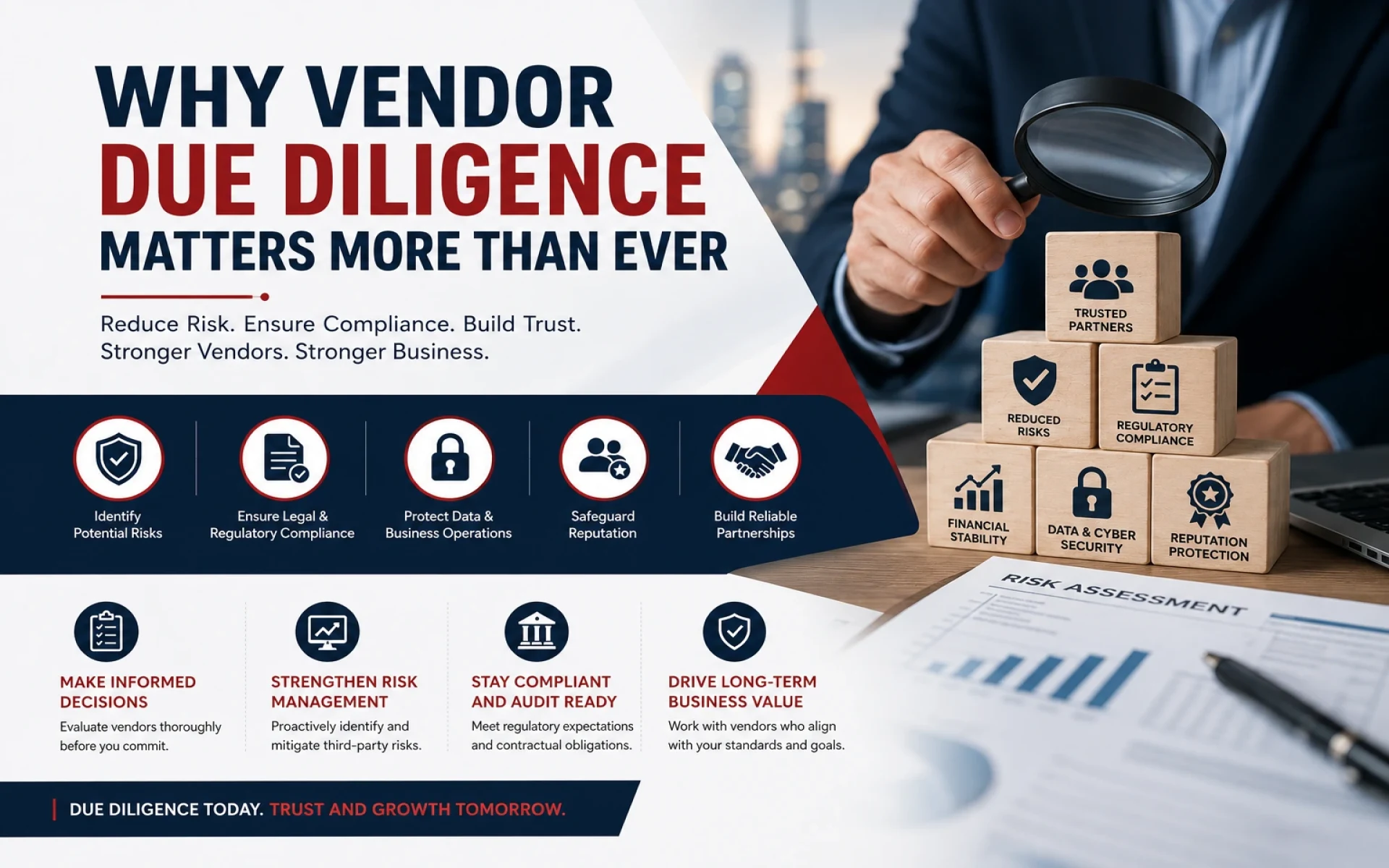
Extending Verification to Vendors and Contractors
An organisation's people-related risk does not always end with direct employees.
Contractors, temporary workers, consultants, and vendor personnel may also receive access to company facilities, systems, customer information, or sensitive data. Depending on the organisation's risk profile and contractual requirements, these individuals may need appropriate verification as well.
Including relevant third parties within the verification framework can help organisations maintain consistent standards across their extended workforce.
It also provides useful evidence when clients or auditors examine how third-party access and associated people risks are managed.
Continuous Assurance and Re-Verification
A background check performed before joining provides information about an individual at a particular point in time. Certain risks, however, can change during employment.
For sensitive or regulated roles, organisations may consider periodic re-verification or event-based checks where appropriate and legally permissible. Examples may include changes in responsibilities, access to sensitive systems, professional credentials, or other role-specific circumstances.
Any re-verification programme should be clearly defined, proportionate to the role, and supported by appropriate policies and consent requirements.
This approach allows organisations to treat workforce verification as an ongoing control rather than an activity that ends on the employee's joining date.
How a Verification Partner Can Support Audit Readiness
A capable background verification partner can make it easier for organisations to maintain the records and consistency that internal audits and compliance reviews often require.
Depending on the service model, a verification partner may support organisations through:
- Standardised verification workflows
- Centralised case records
- Status and completion tracking
- Structured verification reports
- Documentation of discrepancies and outcomes
- Secure access to verification records
- Audit-ready reporting
The important consideration is that the partner's processes should align with the organisation's own verification policy and data-handling requirements.
Outsourcing verification does not transfer accountability away from the organisation. The company should still define its standards, responsibilities, and decision-making framework while ensuring that the partner executes checks in accordance with those requirements.
From Audit Preparation to Ongoing Assurance
A well-designed verification programme can change how an organisation approaches audits.
Instead of collecting documents and reconstructing verification histories when an audit begins, HR and compliance teams can maintain records continuously. When evidence is required, it can then be retrieved from an established process rather than assembled under time pressure.
This creates a more sustainable approach to compliance. Verification records become part of the organisation's broader control environment, supporting internal reviews, client due diligence, contractual requirements, and other assurance activities where relevant.
The benefits can also extend beyond background verification. A culture of clear documentation, defined ownership, and evidence-based decision-making can strengthen governance practices across other areas of the organisation.
Key Takeaways
- Employees and other workforce members can represent an important part of an organisation's overall risk environment.
- Background verification creates documented evidence that can support internal audits and compliance reviews.
- A clear audit trail should show what was checked, when it was checked, and how relevant findings were handled.
- Standardised, role-based verification can reduce inconsistency across hiring and screening processes.
- Contractors and relevant third parties may also need verification depending on their access and risk profile.
- Re-verification can provide ongoing assurance for selected sensitive or regulated roles where appropriate.
- A verification partner can help maintain structured, retrievable records, but the organisation remains responsible for its verification framework and decisions.
Conclusion
Background verification can play an important role in supporting internal audits and compliance reviews by making workforce screening more structured, consistent, and demonstrable.
A well-designed programme provides more than individual verification results. It creates an evidence trail showing what was checked, how the process was applied, and how relevant findings were handled. This can help HR, compliance, and audit teams assess whether workforce-related controls are operating as intended.
The strongest approach is to build verification into everyday governance rather than treating it as something to prepare for only when an audit is scheduled. Clear policies, appropriate checks, responsible data handling, consistent documentation, and accessible records create a verification framework that supports both day-to-day risk management and formal reviews.
When workforce verification is designed as part of the broader control environment, organisations are better positioned to demonstrate that their people-related risks are being managed with the same discipline applied to other areas of governance.
Audits depend on evidence. A structured verification programme creates the evidence behind responsible workforce screening.
Audit-Ready Verification. CaseXpert delivers consistent, documented background verification that produces audit-ready evidence whenever your reviewers ask for it. Talk to our verification specialists or send an enquiry to get started.