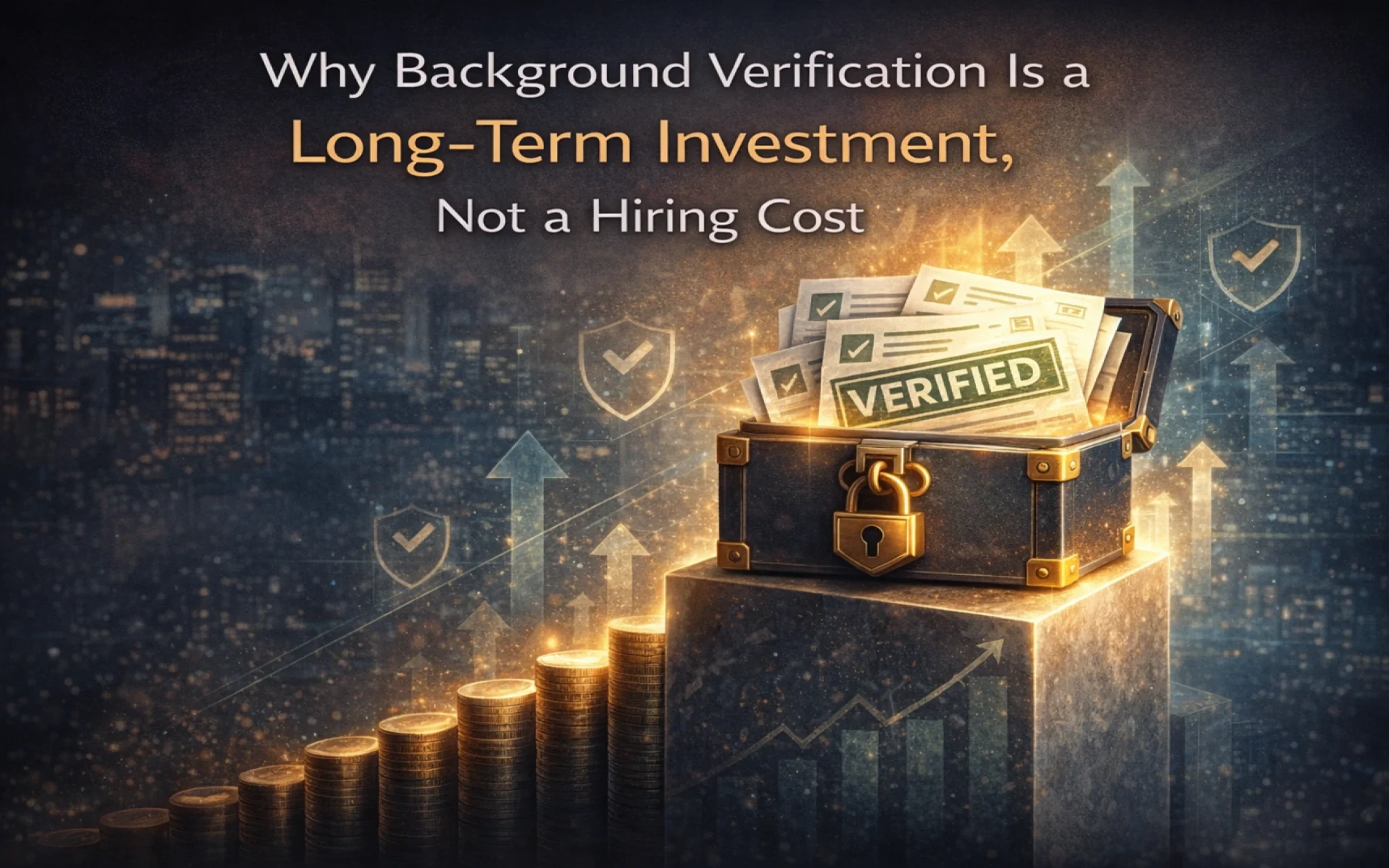
Background verification is too often viewed as a line-item expense — a fee paid per candidate that hiring teams may try to minimise or skip. But this narrow view overlooks the broader value verification can provide. When considered as part of a company's risk-management strategy, background verification is an investment that can help reduce avoidable losses, support a stronger workplace culture, improve hiring quality and protect organisational reputation.
This article explains why background verification should be viewed as a long-term investment rather than simply a hiring expense. It explores the potential returns verification can provide, the risks it can help identify early, and why organisations benefit from treating screening as an ongoing part of responsible workforce management.
The Cost Framing Is Misleading
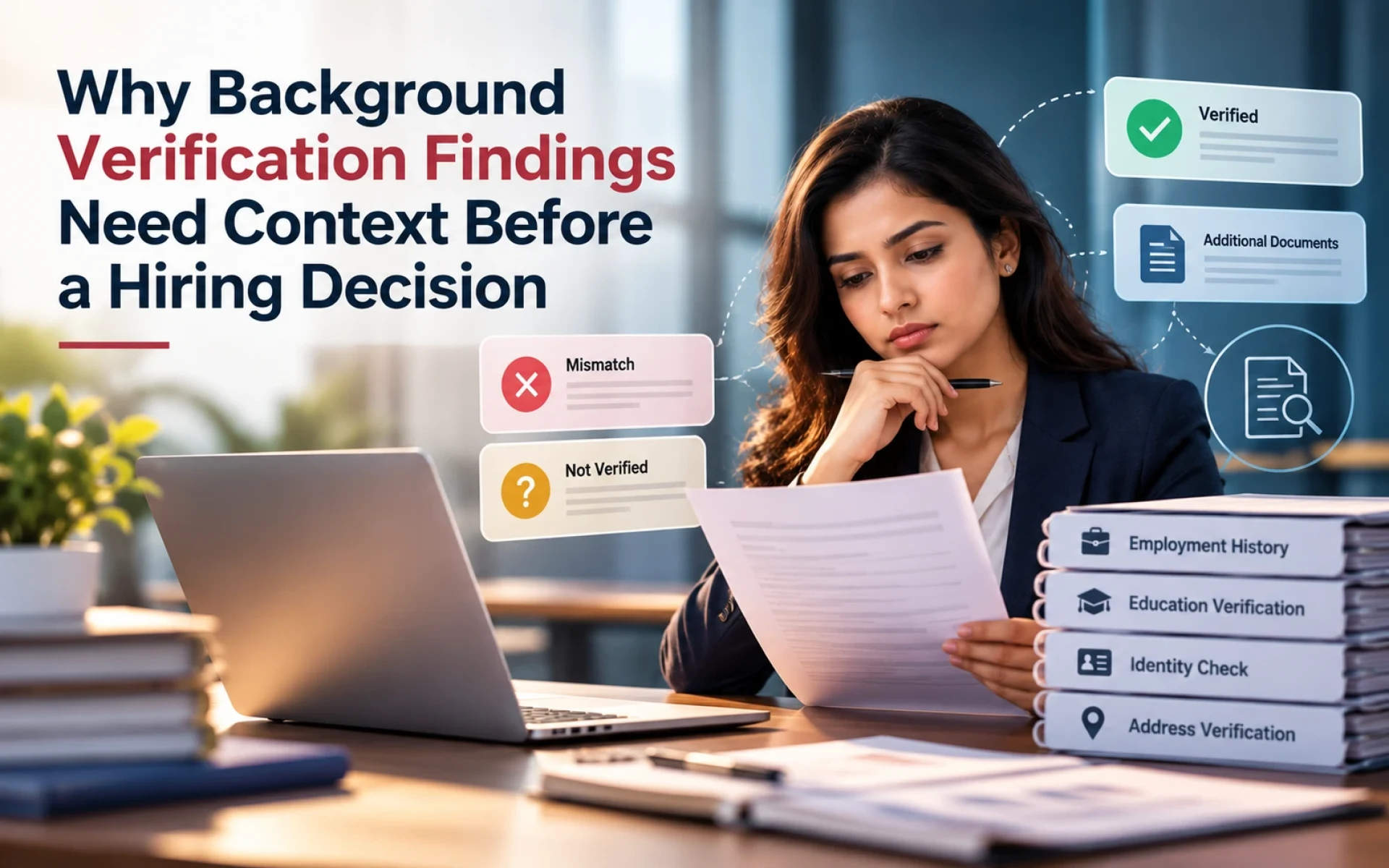
Viewing verification purely as a cost focuses attention on the visible fee while overlooking the potential losses that effective screening may help prevent. A hiring manager under budget pressure sees the immediate expense of running a check, but the value of identifying a significant discrepancy before onboarding is less visible.
An investment-based approach considers the broader picture: what risks can verification help identify, what hiring problems can it help prevent, and how can a consistent screening process contribute to better workforce decisions?
The objective is not to assume that every verification will prevent a costly incident. Rather, it is to recognise that the value of screening extends beyond the individual check being performed.
The Potential Return: Avoided Losses
One of the clearest benefits of background verification is the opportunity to identify risks before they become more expensive problems. Depending on the role and circumstances, these may include fraudulent credentials, inaccurate employment claims, identity discrepancies, undisclosed conflicts or other issues relevant to the hiring decision.
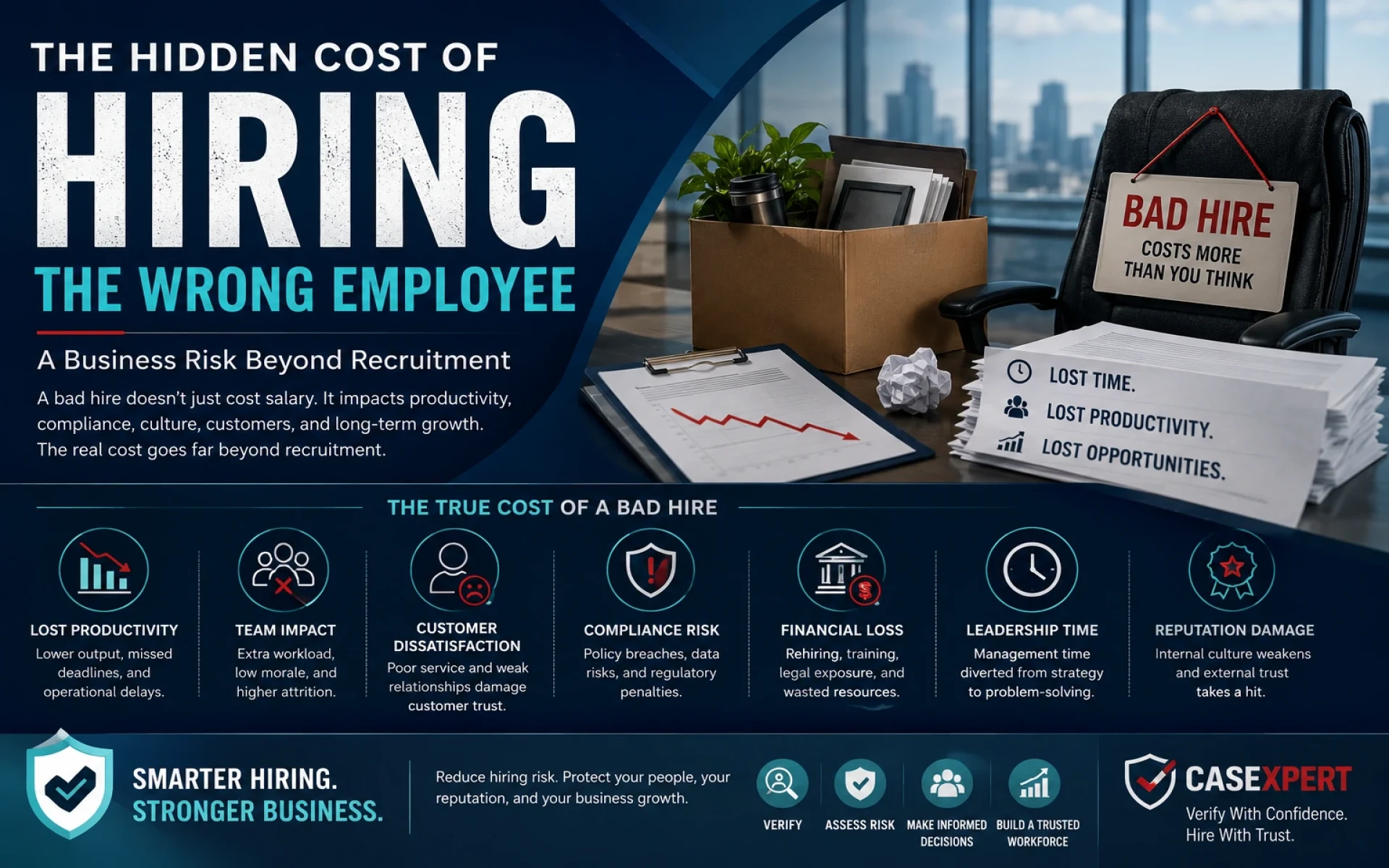
The potential cost of a poor hiring decision can extend well beyond recruitment expenses. It may include lost productivity, additional management time, replacement hiring, operational disruption, reputational damage or exposure to other organisational risks.
By identifying relevant discrepancies before a candidate receives significant responsibility or access, verification can give an organisation more time to investigate and make an informed decision.
Lower Attrition and Hiring Rework
Background verification can also contribute to more efficient hiring by helping organisations identify inconsistencies before investing further in onboarding and development.
When a hire does not work out because important information was inaccurate or misrepresented, the organisation may need to repeat recruitment, onboarding and training. This creates costs that are often greater than the original recruitment expense.
A consistent verification process cannot eliminate unsuccessful hires, but it can add another layer of evidence to the hiring process and help reduce avoidable surprises.
Stronger Culture and Retention
The value of verification is not limited to financial or operational risk. It can also support the culture an organisation wants to build.
When employees know that hiring standards are applied consistently and relevant credentials are verified, it reinforces the expectation that honesty and accuracy matter. This can contribute to an environment where employees have greater confidence that colleagues were selected through a fair and structured process.
Conversely, when significant misrepresentation goes undetected, it can affect morale and trust, particularly if other employees are required to compensate for the consequences.
Verification is therefore one component of a broader approach to building a workplace based on accountability and trust.
Protecting Reputation and Supporting Growth
An organisation's reputation can take years to establish, making trust an important business asset. Strong hiring and verification practices can help protect that reputation by reducing exposure to avoidable people-related risks.
Verification can also support business growth where clients, partners or regulated environments require evidence of employee screening and due diligence.
- Supports client and vendor due-diligence requirements
- Helps demonstrate structured hiring controls
- Reduces exposure to avoidable hiring-related risks
- Supports confidence among customers, partners and stakeholders
For organisations working with enterprise clients or operating across regulated industries, a documented verification process can become an important part of broader governance and risk-management practices.
The Long-Term Value of Consistent Verification
The value of background verification becomes more meaningful when it is applied consistently over time.
Each verified hire contributes to a structured hiring process, while documented policies, defined screening standards and accumulated operational experience can strengthen the organisation's overall approach to workforce risk.
Over time, this can create several reinforcing benefits:
- A more consistent hiring process
- Better visibility into workforce-related risks
- Stronger documentation and audit readiness
- Greater awareness of verification and compliance requirements
- A more established culture of responsible hiring
The value is therefore not limited to the individual verification fee. It also lies in the systems, processes and risk awareness built around it.
Investing Wisely in Verification
Treating verification as an investment does not mean applying every possible check to every candidate. Effective screening should be proportionate to the role, relevant to the risks involved and conducted in accordance with applicable requirements.
Organisations should focus on:
- Matching checks to role and industry risk
- Applying documented screening policies consistently
- Using reliable and appropriate verification methods
- Protecting candidate information throughout the process
- Reviewing verification practices as the organisation grows
The objective is to create a verification programme that delivers meaningful risk coverage without unnecessary complexity or cost.
Key Takeaways
- Background verification provides value beyond its per-candidate cost.
- Screening can help identify potential risks before they become more difficult or expensive to address.
- Better verification processes can reduce avoidable hiring rework and disruption.
- Consistent screening can support workplace trust and accountability.
- Verification can contribute to reputation protection and client due diligence.
- The long-term value comes from building a consistent, risk-based verification system.
- Effective verification should be proportionate, relevant and responsibly managed.
Conclusion
Background verification is better understood as part of a company's long-term risk-management and workforce strategy rather than simply another hiring expense. Its value comes from helping organisations identify relevant discrepancies, make better-informed hiring decisions and establish consistent standards across the workforce.
The return is not limited to a single prevented incident. Over time, a well-designed verification programme can support stronger processes, better documentation, workforce trust, regulatory readiness and organisational resilience.
The key is to invest intelligently. Verification should be consistent and appropriately rigorous, but also proportionate to the role and the risks involved. When treated as an ongoing business capability rather than a cost to minimise, background verification becomes an important foundation for building a more reliable and resilient organisation.
Background verification is more than a cost per hire — it is an investment in better decisions, lower risk and long-term organisational trust.
Invest, don't just spend. CaseXpert delivers verification with the depth and consistency that turns a modest investment into lasting returns. Talk to our verification specialists or send an enquiry to get started.