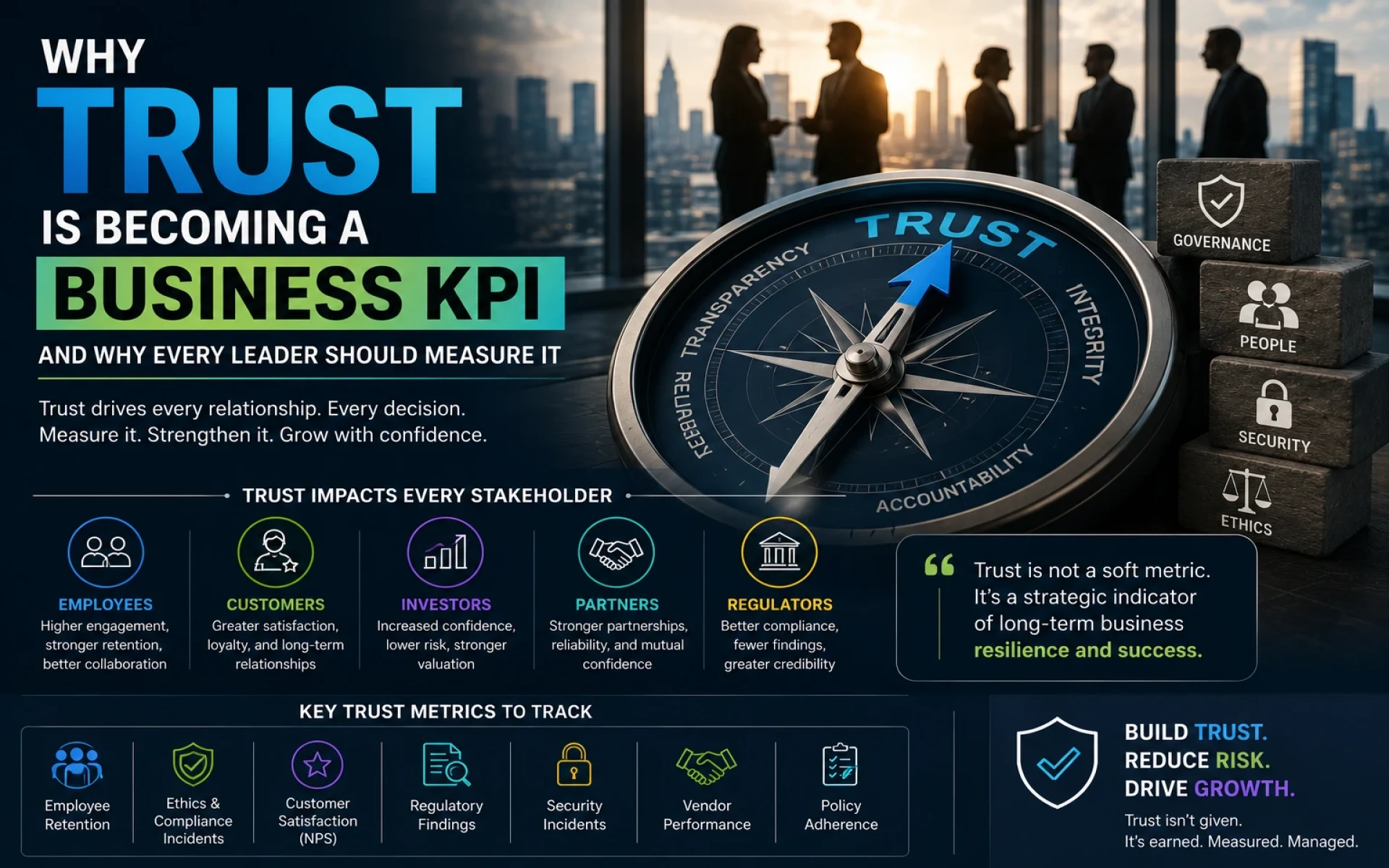
An insider threat involves harm caused by someone who already has legitimate access to an organisation rather than by an external attacker. These threats can be particularly difficult to manage because insiders operate within existing systems of trust and access. While many insider-risk programmes focus on monitoring behaviour after employees join, an important layer of prevention begins much earlier: understanding who is being given access in the first place.
Background verification can support this effort by validating identity, credentials, employment history and other information relevant to the responsibilities of a role. When combined with appropriate access controls and ongoing monitoring, verification becomes an important part of a broader insider-risk management strategy.
This article explores how background verification can help reduce insider threats, why verification should be risk-based, and how organisations can combine pre-employment screening with ongoing safeguards to strengthen workforce security.
Understanding the Insider Threat
An insider threat occurs when a person with legitimate access causes or contributes to harm within an organisation. This may involve data theft, fraud, misuse of systems, unauthorised disclosure of information or other forms of misconduct.
The challenge is that insiders do not necessarily need to bypass traditional security controls. They may already have authorised access to the systems, information or facilities involved. As a result, organisations need controls that address risk before access is granted as well as controls that detect unusual activity afterwards.
This makes workforce screening an important component of a broader insider-risk strategy.
Verification as an Early Risk Control
Background verification provides an opportunity to assess relevant information before an individual receives organisational access.
Depending on the role, this may include confirming identity, education, employment history, professional credentials and relevant records. The objective is not to predict future behaviour, but to identify material inconsistencies or information that may be relevant to the level of responsibility being assigned.
The earlier an organisation identifies a significant discrepancy, the more options it has for addressing the issue before sensitive access is granted.
Verification should therefore be viewed as an early risk-control measure rather than as a guarantee against future misconduct.
Screening for Relevant History
For roles involving significant financial, system, data or operational access, organisations may need verification that goes beyond basic identity and employment checks.
Relevant areas can include previous employment, professional qualifications and, where legally appropriate and relevant to the role, criminal or financial checks.
The key principle is relevance. A verification programme should focus on information that has a legitimate connection to the responsibilities and risks associated with the position rather than applying unnecessary checks indiscriminately.
A risk-based approach helps organisations balance security, privacy and fairness while ensuring that higher-risk positions receive appropriate scrutiny.
Applying Deeper Verification to High-Access Roles
Not every position presents the same level of insider risk. Roles with privileged access to systems, financial assets, intellectual property or sensitive personal information may warrant enhanced verification.
Examples can include:
- System administrators with privileged technical access
- Finance personnel authorised to process or approve transactions
- Employees handling sensitive intellectual property
- Roles with access to customer or employee information
- Positions responsible for critical infrastructure or operational systems
The level of verification should reflect the level of responsibility and access associated with the role.
This approach allows organisations to concentrate their resources where the potential consequences of misuse are greatest.
The Limits of Monitoring Alone
Behavioural monitoring, access controls and security monitoring are important elements of an insider-risk programme, but they operate primarily after access has been granted.
Background verification addresses a different point in the risk lifecycle. It helps organisations establish a stronger information base before granting access, while monitoring helps identify concerning behaviour during employment.
These controls work best together.
A comprehensive insider-risk programme can combine appropriate screening before hiring with least-privilege access, security controls, monitoring, employee awareness and clearly defined processes for responding to concerning activity.
Re-Verification for Sensitive Roles
Background verification is generally performed at a specific point in time, but risk can change throughout an employee's tenure.
For certain sensitive roles, organisations may consider periodic re-verification where there is a legitimate business and compliance basis for doing so. This can help confirm that relevant credentials remain valid and that information requiring review has not materially changed.
Re-verification should be carefully designed, proportionate to the role and conducted with appropriate consent and data-protection safeguards.
For high-access positions, treating trust as something that requires ongoing governance rather than a one-time assessment can strengthen the overall risk-management framework.
Extending Verification Beyond Employees
Insider risk is not limited to permanent employees. Contractors, consultants, agency workers and vendor personnel may also have access to systems, facilities or sensitive information.
If these individuals receive comparable access but are subject to significantly weaker screening, they can create a gap in the organisation's security controls.
Extending appropriate verification requirements to the extended workforce helps organisations apply consistent risk principles regardless of how an individual enters the organisation.
This is particularly important for third parties with privileged system access, financial responsibilities, physical access to sensitive locations or exposure to confidential information.
How a Verification Partner Can Support Insider-Risk Management
Managing background verification consistently across different roles and workforce categories can be challenging, particularly for organisations hiring at scale.
A professional verification partner can help standardise the screening process, apply role-appropriate checks, manage documentation and provide structured results for review.
For sensitive roles, this can help organisations maintain a consistent verification standard while keeping the process documented and auditable.
The partner should complement—not replace—the organisation's own access-control, security, compliance and risk-management processes.
Why Prevention and Detection Need to Work Together
The cost of an insider incident can extend well beyond the initial event. Organisations may face investigation and remediation costs, operational disruption, data recovery requirements, contractual consequences and reputational impact.
Preventive controls can reduce the likelihood of certain risks materialising, while detection and response controls help limit damage when an incident does occur.
Background verification contributes to the preventive side of this framework. It does not eliminate insider threats, but it can help organisations identify relevant information before granting access and make more informed decisions about role suitability and risk controls.
The strongest approach is therefore not verification instead of monitoring, but verification alongside appropriate security and governance measures.
Key Takeaways
- Insider threats can originate from employees as well as contractors and third-party personnel.
- Background verification provides an early risk-control point before organisational access is granted.
- Verification should focus on information relevant to the responsibilities and risks of each role.
- High-access positions may warrant more extensive and appropriately designed checks.
- Verification complements access controls, behavioural monitoring and incident-response measures.
- Re-verification may be appropriate for certain sensitive roles when supported by a legitimate business and compliance basis.
- Extending appropriate screening to third-party personnel helps close gaps in the extended workforce.
Conclusion
Insider threats present a distinct security challenge because the individuals involved may already have legitimate access to an organisation's systems, information or facilities. Addressing this risk therefore requires more than monitoring activity after access has been granted.
Background verification provides an important preventive layer by helping organisations establish who they are granting access to and whether the information provided by candidates is accurate and relevant to the role.
When combined with risk-based access controls, ongoing monitoring, employee awareness, appropriate re-verification and third-party screening, background verification becomes part of a broader strategy for managing insider risk.
The goal is not to assume that verification can predict who will become an insider threat. Rather, it is to ensure that organisations make informed, documented and proportionate decisions before granting people access to the resources they are trusted to protect.
Strong insider-risk management starts before access is granted—and continues throughout the relationship.
Prevent Insider Threats. CaseXpert helps organisations prevent insider threats with rigorous verification of high-access roles and the extended workforce. Talk to our verification specialists or send an enquiry to get started.