Recruitment has traditionally been viewed as the responsibility of Human Resources, while compliance has focused on regulations, audits, and organizational policies. In many companies, these functions operate independently, interacting only when a legal concern or compliance issue arises.
That separation made sense when hiring decisions primarily involved evaluating qualifications and filling vacancies. Today's workplace, however, presents a far more complex landscape. Organizations must navigate data privacy obligations, industry regulations, insider risks, third-party expectations, and increasing scrutiny from clients and regulators.
As hiring becomes more strategic, the relationship between HR and compliance is evolving. Rather than functioning as separate departments with different priorities, they are becoming partners in protecting the organization from avoidable workforce risks. Businesses that encourage this collaboration are often better positioned to make informed hiring decisions, strengthen governance, and build a more resilient workforce.
Recruitment Is No Longer Just About Finding Talent
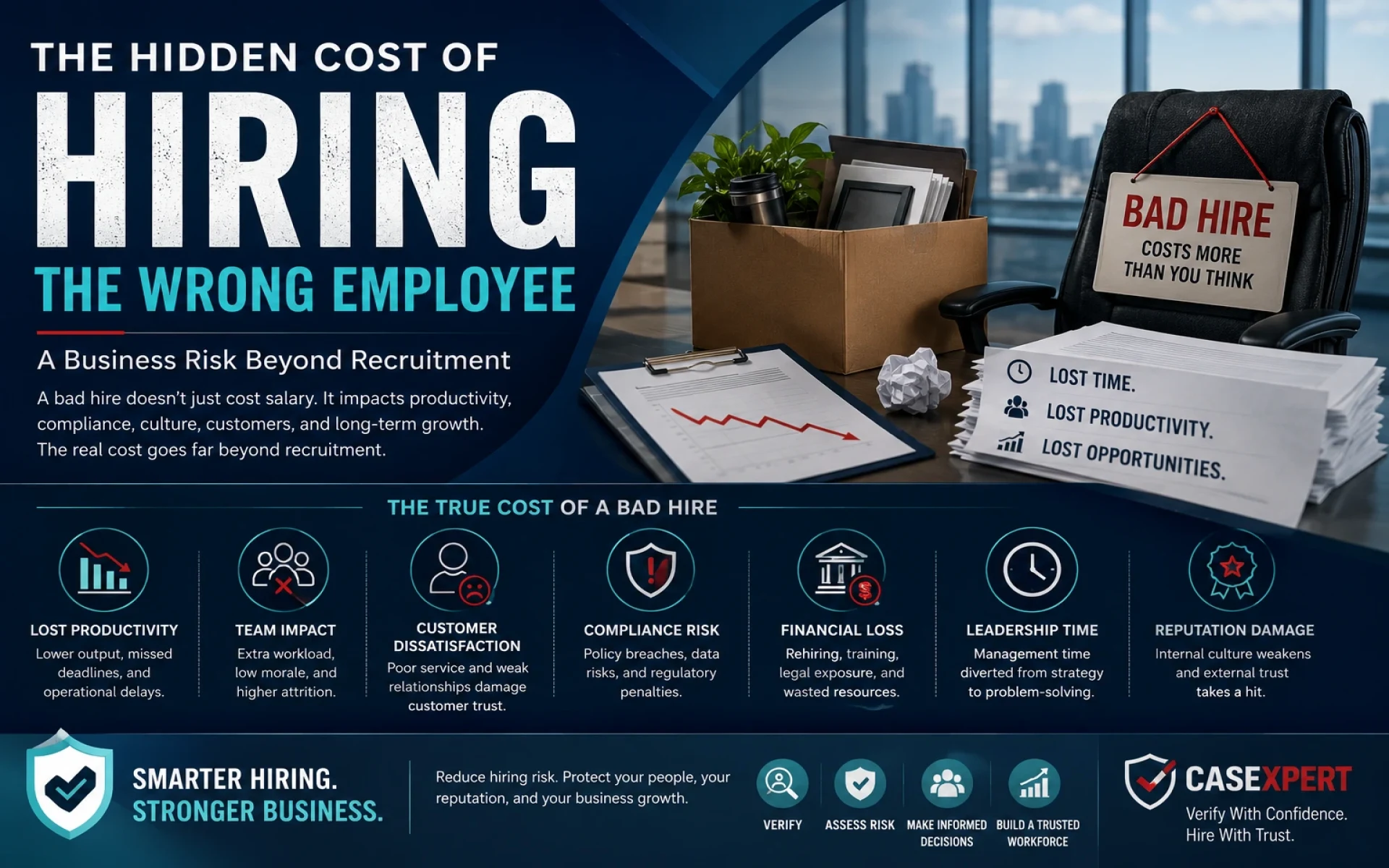
Hiring has always been about identifying people with the right skills, experience, and potential. While these qualities remain important, organizations are increasingly recognizing that recruitment also influences operational resilience, regulatory compliance, and business reputation.
Every new employee gains access to information, systems, customers, intellectual property, or financial resources. Depending on the role, the hiring decision may also affect contractual obligations, industry compliance requirements, and stakeholder confidence.
For this reason, recruitment is no longer simply a talent acquisition activity—it has become an important element of enterprise risk management.
HR and Compliance View Hiring Through Different Lenses
HR professionals naturally focus on attracting qualified candidates, improving candidate experience, reducing hiring timelines, and supporting workforce growth.
Compliance professionals approach the same process differently. Their objective is to ensure that recruitment practices align with applicable laws, internal policies, contractual obligations, and industry standards.
Neither perspective is complete on its own.
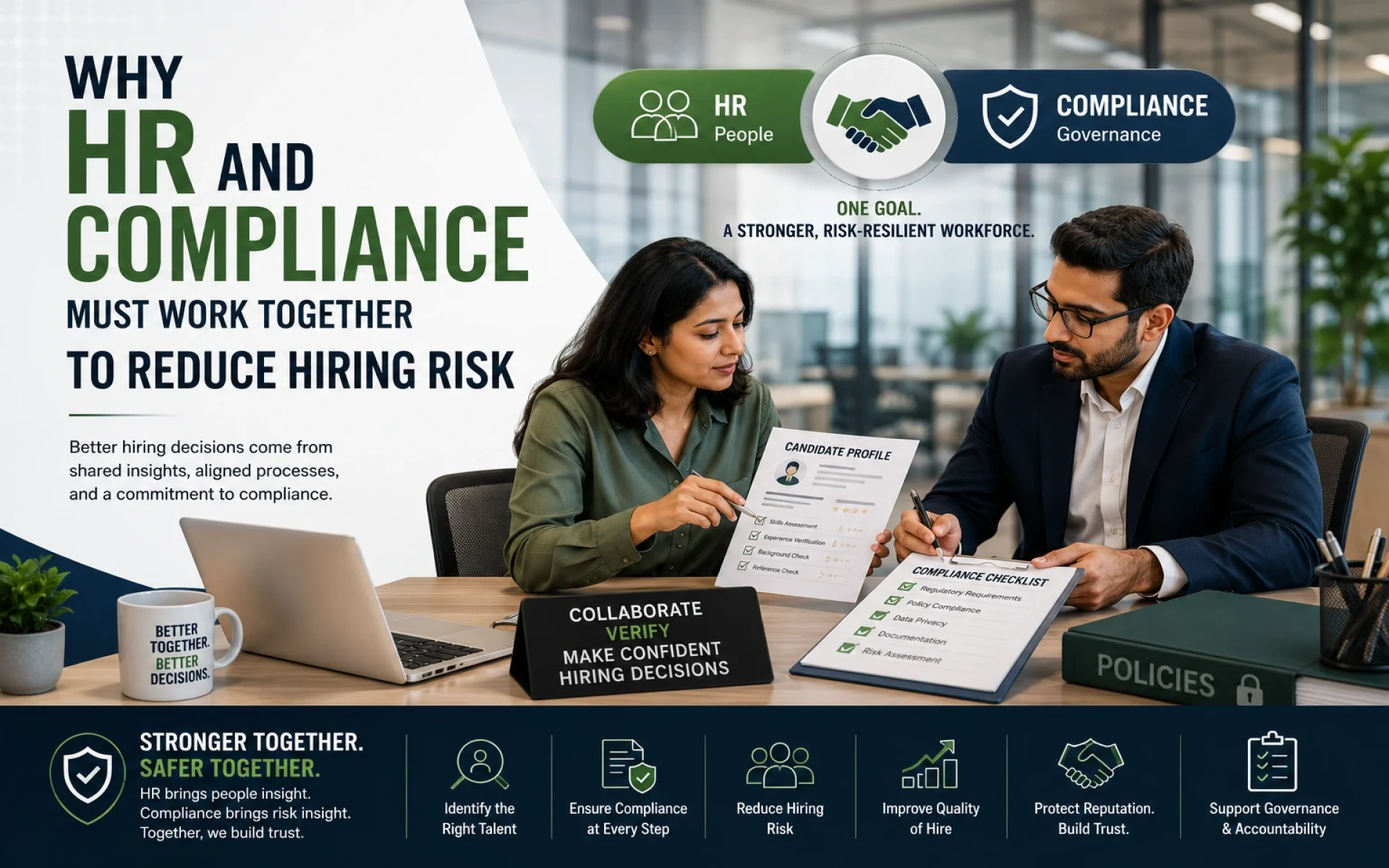
Hiring decisions become significantly stronger when HR contributes its understanding of people while compliance contributes its understanding of organizational risk.
Together, these perspectives create a more balanced decision-making process.
The Risks of Working in Silos
When HR and compliance operate independently, important risks may remain unnoticed until after an employee joins the organization.
For example, recruitment teams may successfully identify a technically qualified candidate, but compliance may later discover issues related to documentation, regulatory requirements, role eligibility, or policy adherence.
Similarly, compliance teams may introduce controls that unintentionally complicate recruitment, increasing hiring timelines without improving decision quality.
Siloed decision-making often creates unnecessary friction, inconsistent processes, and preventable business risks.
Compliance Begins Before the Offer Letter
Many organizations associate compliance with activities that occur after an employee joins, such as policy acknowledgements, mandatory training, or regulatory reporting.
In reality, compliance begins much earlier.
During recruitment, organizations must already consider areas such as:
-
Candidate consent
-
Identity verification
-
Document authenticity
-
Equal opportunity practices
-
Data privacy obligations
-
Industry-specific requirements
-
Employment eligibility
-
Background verification processes
Addressing these considerations early reduces the likelihood of costly corrections later.
Strong Hiring Decisions Require Shared Accountability
Reducing hiring risk is not the responsibility of a single department.
HR understands workforce planning, cultural alignment, and talent acquisition.
Compliance understands governance, regulatory expectations, documentation standards, and risk mitigation.
Legal teams contribute contractual expertise.
Information security evaluates system access risks.
Business leaders define operational requirements.
When these functions collaborate, organizations create hiring processes that balance speed with diligence.
Background Verification Strengthens This Partnership
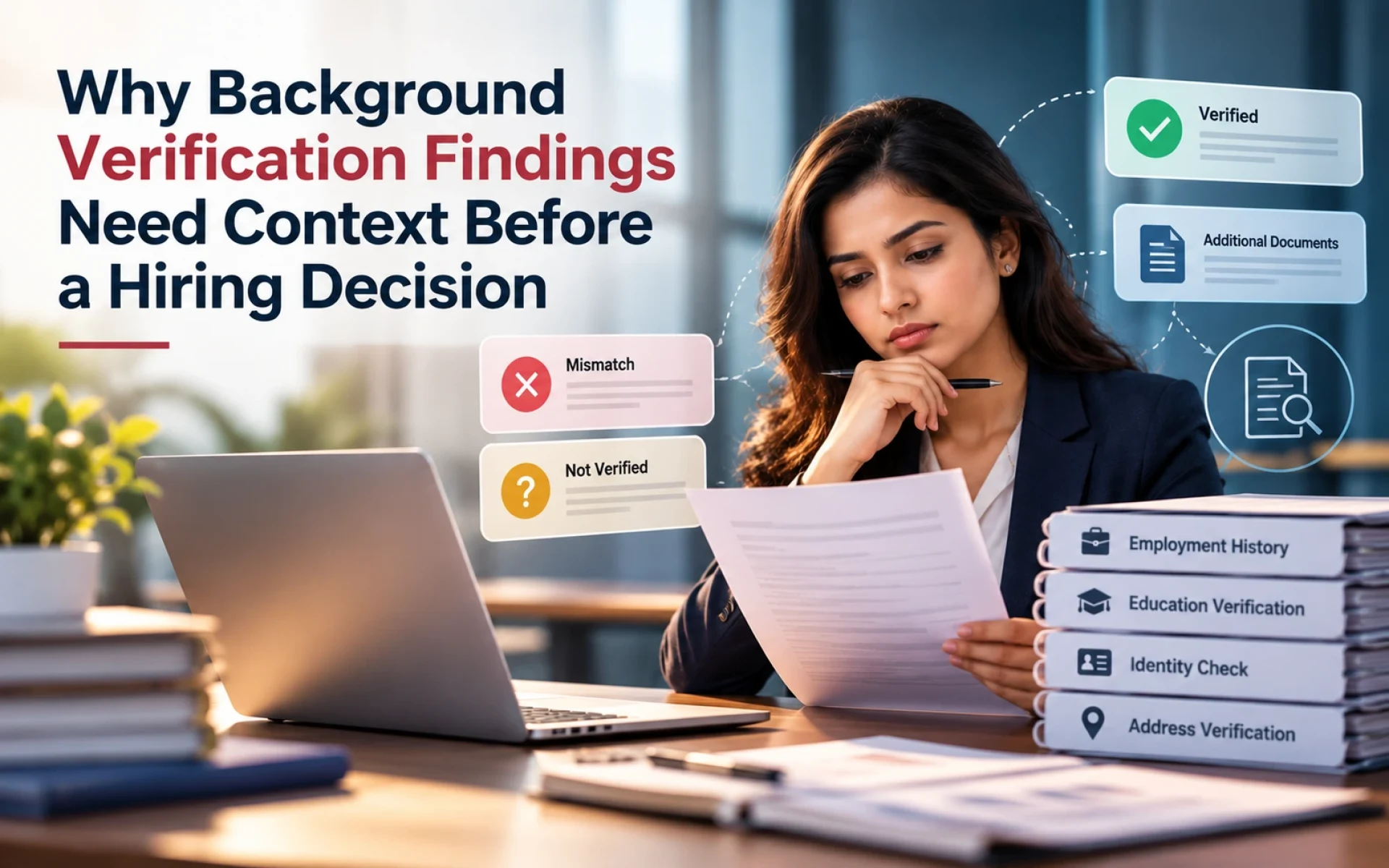
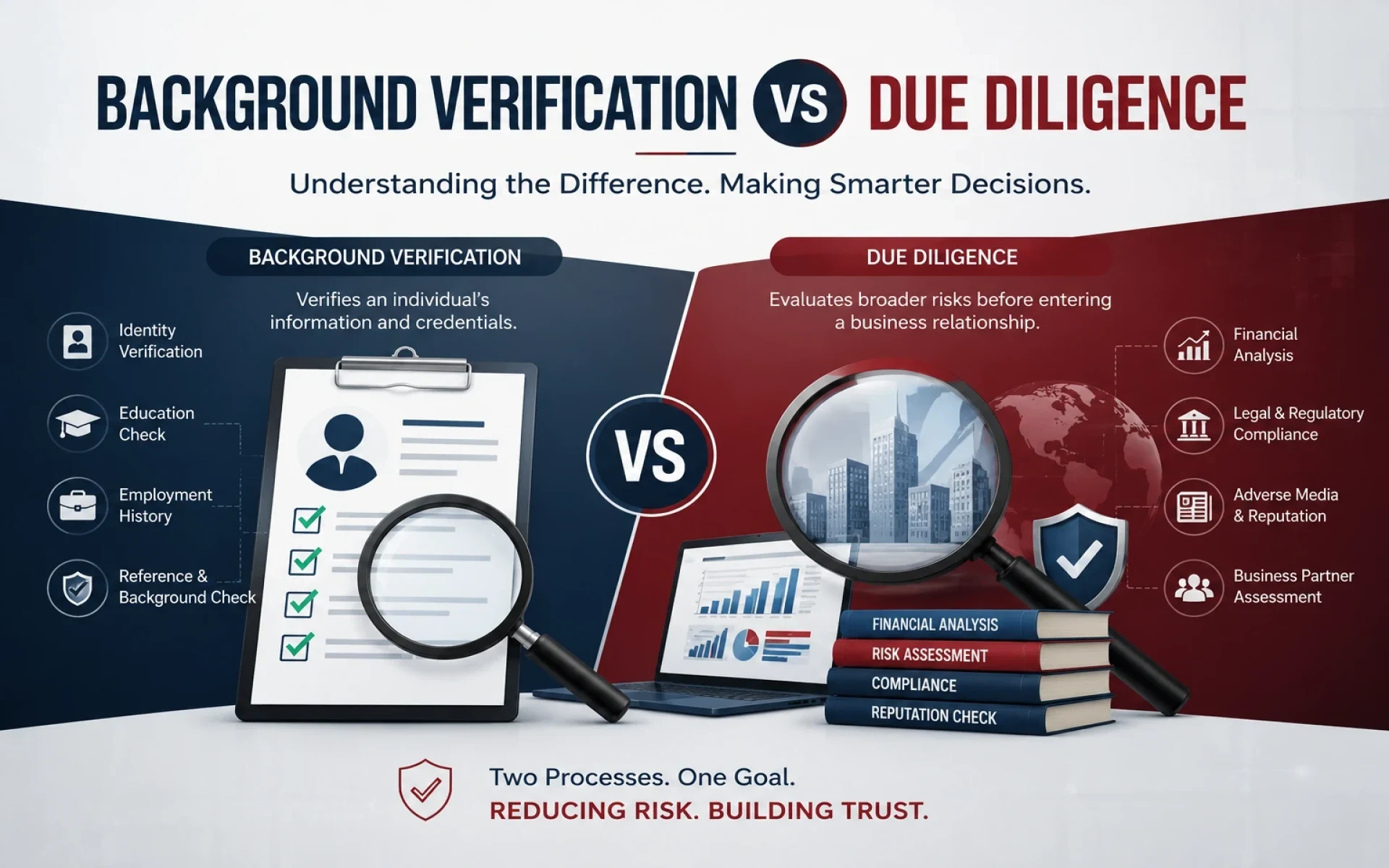
Background verification often acts as the bridge between HR and compliance.
For HR, it provides confidence that hiring decisions are based on verified information.
For compliance, it demonstrates that the organization has exercised appropriate due diligence before granting access to critical roles.
When integrated into recruitment workflows rather than treated as a final administrative step, background verification supports better governance while maintaining a positive candidate experience.
Technology Makes Collaboration Easier
Digital hiring platforms, applicant tracking systems, workflow automation, and integrated compliance tools have made cross-functional collaboration more efficient than ever before.
Rather than exchanging information through disconnected emails or spreadsheets, organizations can create standardized workflows that improve visibility, accountability, and documentation.
Technology cannot replace sound judgement, but it enables HR and compliance teams to work from a common source of information.
Building a Collaborative Hiring Framework
Organizations seeking to strengthen recruitment governance should focus on creating consistent processes rather than additional complexity.
Practical steps include:
-
Clearly defining hiring responsibilities
-
Establishing standardized verification procedures
-
Involving compliance in high-risk hiring decisions
-
Maintaining transparent documentation
-
Reviewing recruitment outcomes periodically
-
Updating hiring policies as regulatory expectations evolve
Collaboration should simplify decision-making, not slow it down.
Looking Ahead
The relationship between HR and compliance will continue to become more important as organizations face evolving regulations, increasing digital risks, and growing expectations around corporate governance.
Companies that continue treating these functions as separate responsibilities may find themselves reacting to problems after they occur.
Organizations that encourage collaboration from the beginning are more likely to build workforces that support long-term resilience, accountability, and sustainable growth.
CaseXpert Perspective
Hiring is often viewed as the beginning of an employee's journey, but from a governance perspective, it is also the beginning of the organization's responsibility. When HR and compliance collaborate from the earliest stages of recruitment, they create a hiring process that balances opportunity with accountability. This partnership not only reduces immediate hiring risks but also strengthens organizational trust over the long term.
Final Thought
Successful hiring is not measured solely by how quickly a position is filled or how impressive a candidate appears during interviews. It is measured by the organization's ability to make informed, responsible, and sustainable decisions.
As regulatory expectations continue to evolve, collaboration between HR and compliance will become a defining characteristic of mature organizations. Companies that build this partnership today will be better prepared to protect their people, reputation, and business tomorrow.
Better hiring decisions happen when HR understands the people and compliance understands the risk — together, they build a more trusted workforce.
Build a Hiring Process Where People and Compliance Work Together. CaseXpert helps organizations strengthen background verification, compliance, and workforce risk management. Talk to our verification specialists or send an enquiry to get started.